Can Sleep Apnea Be Cured? Effective Treatment Options Explained
May 12, 2026
If you’ve been waking up exhausted, snoring loudly, or gasping for air in the middle of the night, you have probably found yourself wondering — can sleep apnea be cured? It’s one of the most common questions we hear from patients across Los Angeles, and the answer is more hopeful than most people expect.
Sleep apnea is a serious sleep breathing disorder that affects millions of Americans, including a significant number of people right here in the LA area. The good news is that with the right diagnosis and a personalized treatment plan, most patients experience dramatic improvements in their sleep quality and overall health. Whether sleep apnea can be fully cured depends on the type you have, its severity, and the underlying causes but in many cases, it can be significantly reduced or even resolved entirely.
In this guide, we’ll walk you through everything you need to know about sleep apnea, what causes it, and the most effective treatment options available today.
What Is Sleep Apnea?
Sleep apnea is a condition where your breathing repeatedly stops and starts while you sleep. These pauses — called apnea episodes — can last anywhere from a few seconds to over a minute and may occur dozens or even hundreds of times per night. Most people have no idea it’s happening until a partner notices or a doctor flags it after a sleep study.
Types of Sleep Apnea
Obstructive Sleep Apnea (OSA) is by far the most common type. It occurs when the muscles in the back of your throat relax too much, causing a partial or complete blockage of your airway. OSA is closely linked to physical factors like weight, jaw structure, and neck size.
Central Sleep Apnea is less common and involves the brain failing to send proper signals to the muscles that control breathing. It’s often associated with other medical conditions like heart failure or neurological disorders.
Complex Sleep Apnea Syndrome (also called treatment-emergent central sleep apnea) is a combination of both obstructive and central sleep apnea. It’s typically identified when a patient being treated for OSA continues to show central apnea events.
Common Symptoms of Sleep Apnea
Many people in Los Angeles live with undiagnosed sleep apnea for years because the symptoms can seem easy to dismiss or chalk up to a busy lifestyle. Watch out for:
- Loud, chronic snoring — often the first sign noticed by a bed partner
- Excessive daytime fatigue — even after a full night in bed
- Morning headaches — caused by drops in oxygen levels overnight
- Difficulty concentrating — brain fog throughout the day
- Witnessed breathing interruptions during sleep — gasping or choking episodes
If you are experiencing several of these symptoms together, it’s time to speak with a sleep specialist.
Can Sleep Apnea Be Cured Permanently?
This is the big question. The honest answer is: it depends. Sleep apnea exists on a spectrum, and so do the outcomes of treatment.
When Sleep Apnea Can Improve or Resolve
For some patients, sleep apnea can be significantly reduced or even eliminated without lifelong medical devices. This is most commonly seen in cases where:
- Significant weight loss removes excess tissue from around the airway, reducing or eliminating obstruction
- Lifestyle-related factors (like heavy alcohol use or sedative dependency) are addressed
- Structural issues such as a deviated septum, enlarged tonsils, or jaw abnormalities are corrected through surgery
In these situations, patients sometimes find that their apnea episodes drop to negligible levels, and they no longer require ongoing treatment like CPAP therapy.
Why Some Patients Need Long-Term Management
For others, particularly those with chronic airway conditions, advanced age, or severe obstructive sleep apnea — the condition is better described as manageable rather than curable. Factors that make long-term management more likely include:
- Natural aging and the progressive relaxation of throat muscles
- Anatomical features that cannot be fully corrected
- Underlying medical conditions like diabetes or hypertension that contribute to the disorder
This doesn’t mean the outcome is bleak — quite the opposite. With consistent treatment, most patients achieve near-normal sleep quality and dramatically reduce their health risks.
The Difference Between “Cure” and “Treatment”
It’s important to understand this distinction. A cure would mean the condition is permanently gone with no further intervention. A treatment effectively manages symptoms, reduces apnea episodes, and improves sleep quality and overall health — sometimes to the point where the condition is functionally resolved.
For many LA patients, the goal of getting rid of sleep apnea is absolutely achievable through the right combination of treatments. Whether that constitutes a “cure” in the clinical sense is secondary to how you feel and function every day.
What Causes Sleep Apnea?
Understanding what’s driving your sleep apnea is the key to treating it effectively.
Physical and Lifestyle Factors
Several everyday habits and physical characteristics are directly linked to obstructive sleep apnea:
- Obesity — Excess fat around the neck and throat narrows the airway, making obstruction far more likely during sleep
- Smoking — Increases inflammation and fluid retention in the upper airway
- Alcohol use — Relaxes throat muscles excessively, worsening airway collapse during sleep
- Poor sleep posture — Sleeping on your back allows the tongue and soft palate to fall backward, blocking the airway
Medical Conditions Linked to Sleep Apnea
Sleep apnea doesn’t always exist in isolation. It’s commonly associated with:
- Nasal obstruction — Chronic congestion or a deviated septum forces mouth breathing, increasing apnea risk
- Enlarged tonsils or adenoids — Particularly common in children with sleep apnea
- Diabetes — Insulin resistance has been linked to increased apnea severity
- High blood pressure — Both a risk factor for and a consequence of untreated sleep apnea
Identifying these underlying connections allows your sleep specialist to develop a treatment plan that addresses the root cause, not just the symptoms.
Sleep Apnea Treatment Options
There’s no one-size-fits-all solution for sleep apnea. The right treatment depends on your diagnosis, your lifestyle, and your personal preferences. Here’s a breakdown of the most effective sleep apnea treatment available to Los Angeles patients today.
CPAP Therapy
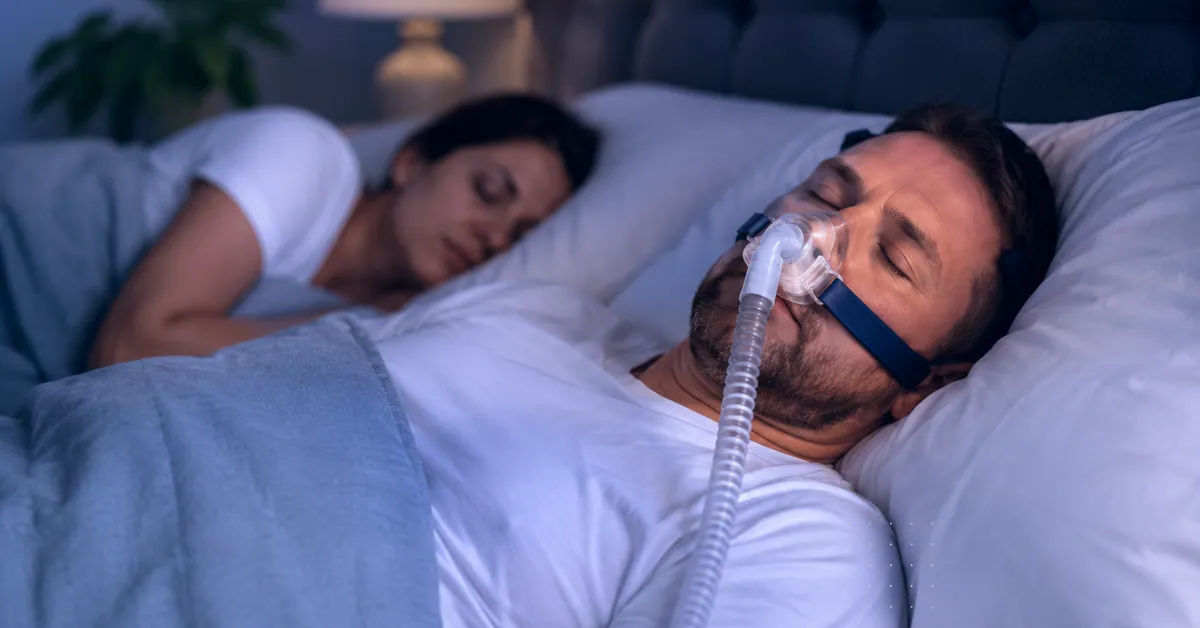
Continuous Positive Airway Pressure (CPAP) therapy is the gold standard for treating moderate to severe obstructive sleep apnea. The device delivers a steady stream of pressurized air through a mask, keeping your airway open throughout the night.
How it works: The air pressure acts as a pneumatic splint, preventing the soft tissues in your throat from collapsing during sleep. It’s highly effective and works immediately from the first night of use.
Benefits: Significant reduction in apnea episodes, improved daytime energy, lower cardiovascular risk, and better cognitive function.
Challenges: Some patients find the mask uncomfortable or struggle with consistency. Modern CPAP machines are quieter and more comfortable than older models, and many patients adapt quickly with proper guidance.
Oral Appliance Therapy
For patients with mild to moderate sleep apnea or those who can’t tolerate CPAP oral appliance therapy is a highly effective and popular alternative. These are custom-fitted dental devices worn during sleep that gently reposition the jaw and tongue to keep the airway open.
Oral appliances are discreet, travel-friendly, and don’t require electricity. Many Los Angeles patients prefer them for their simplicity and comfort. They’re typically provided by a dentist or sleep specialist with training in dental sleep medicine.
Lifestyle Changes
For patients with mild sleep apnea or those looking to enhance the results of other treatments, lifestyle modifications can make a meaningful difference:
- Weight management — Even a 10% reduction in body weight can significantly decrease apnea severity
- Regular exercise — Improves muscle tone throughout the body, including the upper airway
- Sleep positioning — Sleeping on your side instead of your back can reduce apnea episodes dramatically for some patients
These changes alone may not resolve moderate or severe sleep apnea, but they’re a powerful complement to other treatments.
Sleep Apnea Surgery
Surgery is typically considered when other treatments haven’t worked or when there’s a specific anatomical issue driving the problem. Common procedures include:
- Uvulopalatopharyngoplasty (UPPP) — Removes excess tissue from the throat to widen the airway
- Septoplasty or turbinate reduction — Addresses nasal obstruction
- Jaw advancement surgery — Moves the upper and lower jaw forward to enlarge the airway
- Tonsillectomy — Particularly effective for children and adults with enlarged tonsils
Who may qualify for surgery is determined through a thorough evaluation by an ENT surgeon or sleep specialist. Not everyone is a candidate, and results vary depending on the individual’s anatomy.
Sleep Studies and Diagnosis
Before any treatment can begin, a proper diagnosis is essential. This typically involves a sleep study — either conducted at a sleep disorder clinic or at home with a portable monitoring device.
Home sleep tests are convenient, affordable, and appropriate for many patients suspected of having moderate to severe OSA. They record your breathing, oxygen levels, and heart rate while you sleep in your own bed.
In-lab sleep studies (polysomnography) are more comprehensive and recommended for complex cases. They monitor brain activity, eye movements, muscle activity, and more, giving your specialist a complete picture of what’s happening overnight.
A professional diagnosis is the single most important step. Self-diagnosis or delaying evaluation only allows the condition and its health consequences to worsen.
Can Weight Loss Cure Sleep Apnea?
Weight loss is one of the most powerful natural interventions for obstructive sleep apnea, and for some patients, it can come remarkably close to a cure.
How Excess Weight Affects Breathing During Sleep
When excess fat accumulates around the neck, throat, and upper airway, it physically narrows the space through which air must pass. During sleep, when muscles naturally relax, this narrowing becomes even more pronounced leading to the partial or complete airway blockage that defines OSA. Fat deposits in the abdomen can also restrict lung capacity, compounding breathing difficulties.
Research on Weight Reduction and Sleep Apnea Improvement
Clinical studies consistently show that weight loss leads to significant reductions in apnea severity. Some research has found that a 10–15% reduction in body weight can decrease the apnea-hypopnea index (AHI — the measure of apnea severity) by up to 50%.
In patients with obesity-driven sleep apnea, substantial weight loss through bariatric surgery has resulted in complete resolution of OSA in many cases. That said, weight loss is rarely a complete solution on its own for patients with structural airway issues or severe apnea, and it should be pursued alongside other treatments.
Healthy Lifestyle Tips for Better Sleep
If you are working on reversing sleep apnea naturally through lifestyle changes, here are the most impactful steps to take:
- Adopt a whole-food, calorie-appropriate diet to support sustainable weight loss
- Aim for at least 150 minutes of moderate aerobic activity per week
- Limit alcohol, particularly in the evening
- Establish consistent sleep and wake times to improve overall sleep quality
- Avoid heavy meals within two to three hours of bedtime
Natural Remedies and Home Strategies for Sleep Apnea
While natural remedies are not a replacement for medical treatment in moderate or severe cases, they can provide meaningful relief and support your overall treatment plan.
Sleeping Position Adjustments
Positional therapy is simple but surprisingly effective. Sleeping on your side — rather than your back — can reduce apnea episodes by 50% or more in some patients. Positional pillows and wedge-style products can help you maintain a side-sleeping position throughout the night.
Avoiding Alcohol and Sedatives
Alcohol and sedative medications cause the throat muscles to relax more than usual, worsening airway collapse during sleep. Cutting out alcohol three to four hours before bed is one of the fastest ways to improve sleep apnea symptoms without any devices or prescriptions.
Breathing and Airway Exercises
Emerging research supports the use of myofunctional therapy — exercises targeting the tongue, throat, and facial muscles — as a way to reduce sleep apnea severity. Techniques include tongue presses, lip seal exercises, and singing exercises. These throat exercises for sleep apnea strengthen the muscles that keep the airway open, reducing the tendency for collapse during sleep.
Improving Overall Sleep Hygiene
Good sleep hygiene supports the effectiveness of all other sleep apnea treatments:
- Keep a consistent sleep schedule, even on weekends
- Make your bedroom cool, dark, and quiet
- Avoid screens for at least an hour before bed
- Wind down with calming activities like reading or light stretching
What Happens If Sleep Apnea Goes Untreated?
This is where the stakes get serious. Sleep apnea isn’t just a snoring problem, it’s a medical condition with significant long-term health consequences.
Cardiovascular Risks
Every time breathing stops during sleep, your blood oxygen level drops. This triggers a stress response that raises your heart rate and blood pressure. Over time, repeated episodes dramatically increase the risk of high blood pressure, heart attack, stroke, and irregular heart rhythms (arrhythmia). Studies have found that untreated severe sleep apnea can more than double the risk of cardiovascular events.
Mental Health and Fatigue
Chronic sleep deprivation caused by untreated sleep apnea is directly linked to depression, anxiety, and mood disorders. The fragmented sleep prevents your brain from completing the restorative sleep cycles it needs, leaving you mentally and emotionally depleted even after a full night in bed.
Reduced Quality of Life
Patients with untreated sleep apnea frequently report poor work performance, strained relationships, reduced physical activity, and lower overall life satisfaction. The cumulative effects of chronic fatigue touch every aspect of daily life.
Increased Accident Risk
Daytime sleepiness caused by sleep apnea significantly increases the risk of motor vehicle accidents and workplace injuries. Drowsy driving is a serious and underappreciated hazard — particularly in a city like Los Angeles, where many residents spend considerable time behind the wheel.
When Should You See a Sleep Specialist?
If you recognize yourself in any of what you’ve read here, don’t wait.
Signs You Need Professional Evaluation
- Your partner reports that you snore loudly or stop breathing during sleep
- You wake up unrefreshed despite getting enough hours of sleep
- You experience morning headaches on a regular basis
- You fall asleep unintentionally during the day
- You’ve been told you have high blood pressure that’s difficult to control
What to Expect During a Sleep Consultation
Your first appointment with a sleep apnea specialist will typically involve a detailed review of your symptoms, medical history, and lifestyle. Your doctor may examine your airway, nose, and throat, and will discuss whether a home sleep test or an in-lab sleep study is most appropriate for your situation. From there, a personalized treatment plan will be developed.
Choosing the Right Sleep Apnea Clinic in Los Angeles
Los Angeles has no shortage of healthcare providers, but choosing a clinic with dedicated expertise in sleep medicine makes a real difference. Look for a practice that offers comprehensive diagnostic services, a range of treatment options (not just CPAP), and ongoing support to help you stay consistent with your treatment. Board-certified sleep specialists and dentists trained in oral appliance therapy are the credentials to look for.
Conclusion
So — can sleep apnea be cured? For many patients, the answer is a qualified yes. With the right treatment approach, sleep apnea can be fully resolved or managed so effectively that it no longer impacts your health or quality of life. The key is getting a proper diagnosis and working with specialists who take the time to understand your individual situation.
Whether you’re exploring CPAP therapy, oral appliances, lifestyle changes, or surgical options, there are more solutions available today than ever before. Los Angeles residents don’t have to live with the exhaustion, health risks, and diminished quality of life that untreated sleep apnea brings.
The first step is the most important one: getting evaluated. If you or someone you love is showing signs of sleep apnea, don’t put it off. Schedule a consultation with a trusted Los Angeles sleep specialist today and take the first step toward sleeping and living better.