How Long Do Dental Implants Last?
June 8, 2026
Dental implants are widely considered the gold standard for replacing missing teeth. They look natural, function like real teeth, and can restore confidence in your smile. However, one of the most common questions patients ask before treatment is: how long do dental implants last?
The good news is that dental implants are designed to be a long-term solution. With proper care, many implants can last for decades, and some patients enjoy their results for a lifetime. Understanding the factors that affect dental implant longevity can help you make an informed decision and protect your investment in your oral health.
In this guide, we’ll explore how long dental implants typically last, what influences their lifespan, and how you can maximize the success of your treatment.
Understanding the Components of a Dental Implant
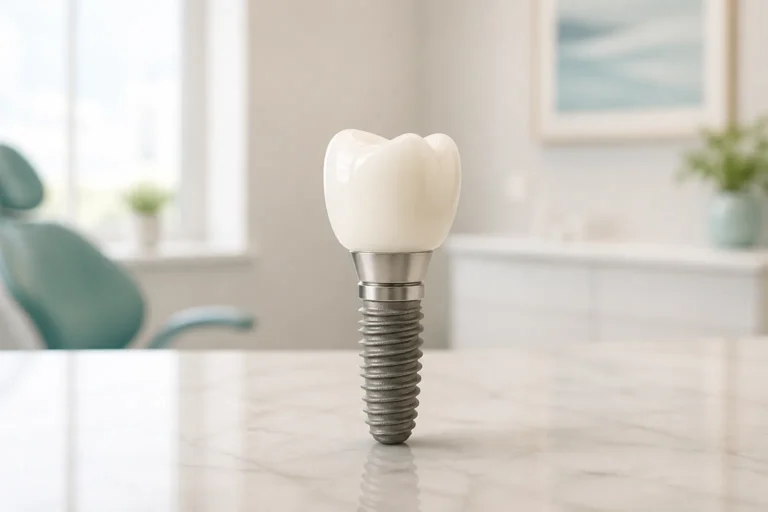
Before discussing longevity, it’s important to understand the three main components of a dental implant:
- Implant Post: A titanium or zirconia post surgically placed into the jawbone.
- Abutment: The connector that attaches the restoration to the implant.
- Dental Crown: The visible replacement tooth placed on top of the implant.
Each component has a different lifespan. While the implant post itself can last decades, the crown may eventually need replacement due to normal wear and tear.
How Long Do Dental Implants Last on Average?
The implant post is the most durable part of the restoration. Studies consistently show success rates above 90% even after 10 to 20 years.
On average:
- Implant post: 20+ years and often a lifetime
- Abutment: 10–20 years
- Crown: 10–15 years before replacement may be needed
Many patients who receive dental implants and maintain good oral hygiene experience no major issues for decades.
Why Dental Implants Last So Long
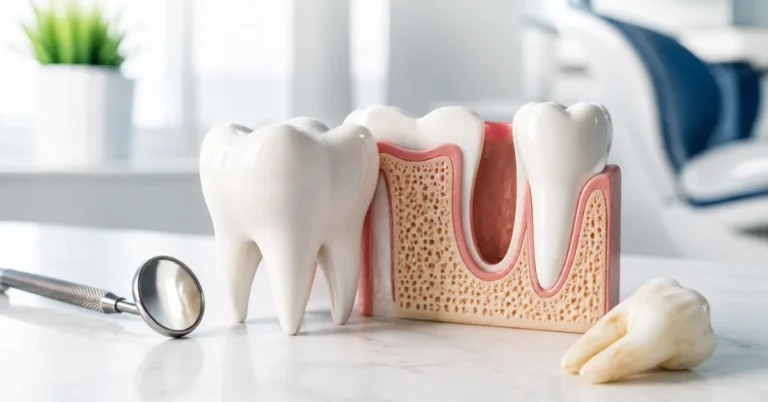
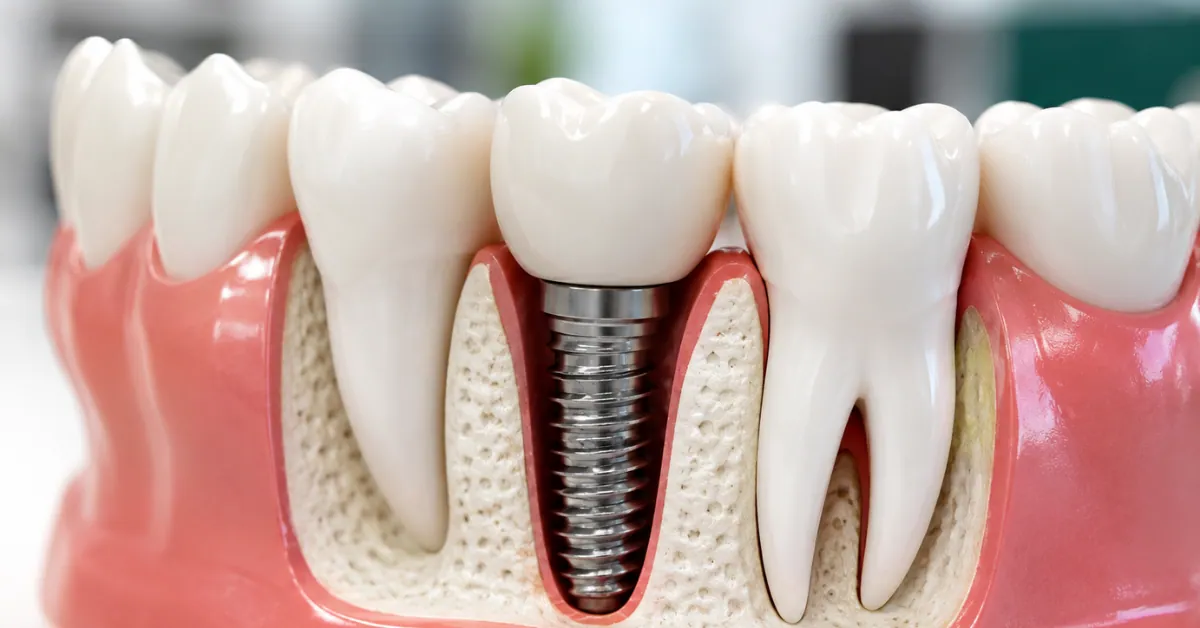
Unlike dentures or bridges, dental implants integrate directly with the jawbone through a process called osseointegration.
This process allows the implant to become a stable part of your oral structure. Because the implant functions similarly to a natural tooth root, it provides exceptional durability and stability.
Benefits that contribute to long-term success include:
- Strong titanium construction
- Resistance to decay
- Jawbone preservation
- Secure integration with bone
- Improved chewing function
Factors That Affect Dental Implant Longevity
While implants are highly durable, several factors can influence how long they last.
Oral Hygiene Habits
Proper oral hygiene is one of the most important factors in maintaining dental implants.
Patients should:
- Brush twice daily
- Floss around implants
- Use recommended cleaning tools
- Attend regular dental cleanings
Poor oral hygiene can lead to peri-implantitis, an inflammatory condition that can threaten implant stability.
Smoking and Tobacco Use
Smoking significantly increases the risk of implant complications.
Tobacco use can:
- Slow healing
- Reduce blood flow
- Increase infection risk
- Raise the chance of implant failure
Patients who quit smoking before and after treatment generally experience better long-term outcomes.
Bone Density and Jaw Health
Successful implants require adequate jawbone support.
Patients with significant bone loss may need procedures such as bone grafting before implant placement. Healthy bone helps ensure long-term implant stability.
Teeth Grinding (Bruxism)
Chronic teeth grinding places excessive force on implants and restorations.
Patients with bruxism may benefit from:
- Custom night guards
- Bite adjustments
- Stress management techniques
Protecting implants from excessive force can significantly extend their lifespan.
Overall Health
Certain medical conditions may affect healing and implant success.
Examples include:
- Uncontrolled diabetes
- Autoimmune disorders
- Osteoporosis
- Gum disease
Managing these conditions can improve implant longevity.
What Causes Dental Implants to Fail?
Although dental implant failure is uncommon, it can occur.
Early Failure
Early failure usually occurs during the healing phase.
Potential causes include:
- Infection
- Poor osseointegration
- Surgical complications
- Smoking
Late Failure
Late failure occurs months or years after placement.
Common causes include:
- Peri-implantitis
- Bone loss
- Excessive bite pressure
- Poor oral hygiene
Regular dental visits help detect issues before they become serious.
Signs Your Dental Implant May Need Attention
Contact your dentist if you experience:
- Pain around the implant
- Swelling or redness
- Bleeding gums
- Implant mobility
- Difficulty chewing
- Receding gum tissue
Early intervention often prevents more significant complications.
How to Make Dental Implants Last Longer
Fortunately, there are several ways to maximize the lifespan of your dental implants.
Maintain Excellent Oral Hygiene: Brush and floss daily to prevent plaque buildup around the implant.
Visit Your Dentist Regularly: Professional examinations and cleanings allow your dentist to monitor implant health and address concerns early.
Avoid Smoking: Eliminating tobacco use can dramatically improve implant success rates.
Wear a Night Guard if Needed: Patients who grind their teeth should use a custom night guard to reduce stress on restorations.
Follow Dietary Recommendations: Avoid using your teeth to open packages or bite extremely hard objects that could damage the crown.
Are Dental Implants Worth the Investment?
Although dental implants may have a higher upfront cost than other tooth replacement options, their durability often makes them a cost-effective solution over time.
Benefits include:
- Long-term tooth replacement
- Natural appearance
- Improved speech
- Enhanced chewing ability
- Jawbone preservation
- Increased confidence
Many patients find that the longevity and quality-of-life improvements justify the investment.
Dental Implants vs Other Tooth Replacement Options
Dental Bridges
Bridges typically last between 5 and 15 years and may require replacement multiple times throughout life.
Dentures
Dentures generally need adjustments or replacement every 5 to 10 years due to changes in the jawbone.
Dental Implants
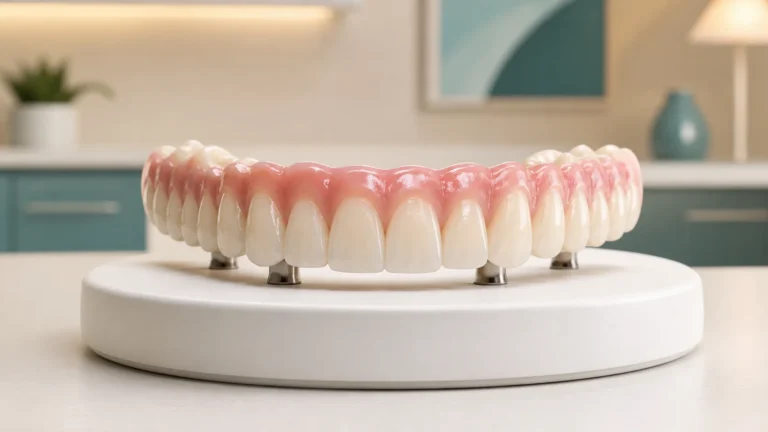
Dental implants often last decades and help preserve bone structure, making them one of the most durable solutions available.
Who Is a Good Candidate for Long-Lasting Dental Implants?
Patients who tend to achieve the best long-term results typically:
- Have healthy gums
- Maintain good oral hygiene
- Have sufficient bone density
- Avoid tobacco products
- Commit to routine dental care
A comprehensive evaluation can determine whether dental implants are right for you.
Frequently Asked Questions
Can dental implants last a lifetime?
Yes. Many dental implants last a lifetime when properly cared for and maintained.
How often do dental implant crowns need replacement?
Most implant-supported crowns last between 10 and 15 years, though some may last longer.
What is the success rate of dental implants?
Dental implants have a success rate of approximately 95% or higher in many long-term studies.
Can dental implants fail after 10 years?
Although uncommon, implants can fail due to infection, bone loss, poor oral hygiene, or excessive bite forces.
How can I increase the lifespan of my dental implants?
Practice excellent oral hygiene, attend regular dental visits, avoid smoking, and follow all post-treatment care instructions.
Conclusion
So, how long do dental implants last? For many patients, the implant post can last 20 years or more and may even last a lifetime with proper care. While the crown may eventually require replacement, the implant itself is one of the most durable and predictable solutions available for replacing missing teeth.
By maintaining excellent oral hygiene, attending regular dental visits, and following your dentist’s recommendations, you can maximize the lifespan of your dental implants and enjoy a healthy, confident smile for years to come.
If you’re considering dental implants in Los Angeles or want to learn whether you’re a candidate, contact LA Dentist today to schedule a consultation. Our experienced team can help you restore your smile with personalized treatment designed for long-term success.