How to Cure TMJ Permanently: Causes, Treatments, and Natural Relief
May 7, 2026
If you wake up with a sore jaw, hear a clicking sound when you chew, or suffer from unexplained headaches, you may be dealing with Temporomandibular Joint (TMJ) disorder. A condition that affects millions of Americans and can significantly disrupt daily life.
TMJ disorder involves the joints connecting your jawbone to your skull. When these joints become inflamed, misaligned, or damaged, the result can be chronic jaw pain, headaches, jaw clicking, locked jaw, and facial tension that makes even simple activities like eating and talking uncomfortable.
Many people ask is there a permanent cure for TMJ? The encouraging answer is that with the right diagnosis and a consistent, personalized treatment plan, most patients experience significant and long-lasting relief. In this guide, we will walk you through everything you need to know from understanding the root cause of your TMJ pain to the most effective treatments available right here in Los Angeles.
What Is TMJ Disorder?
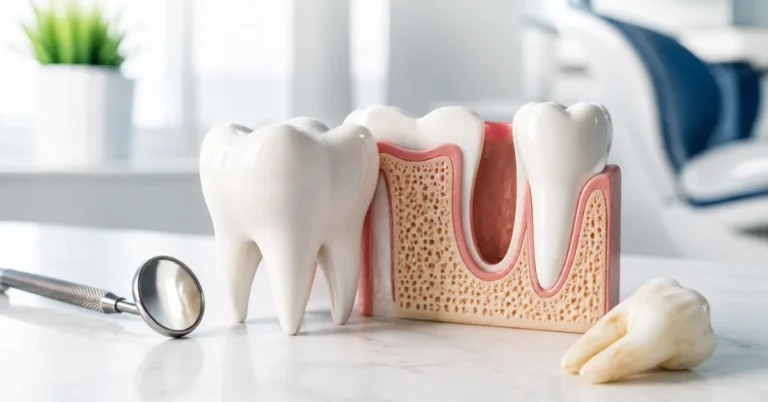
The temporomandibular joint (TMJ) is the hinge that connects your lower jaw (mandible) to your skull’s temporal bone, just in front of each ear. It’s one of the most complex joints in the human body capable of sliding forward and backward, rotating, and moving side to side. This versatility is what allows you to speak, chew, yawn, and laugh.
The joint is cushioned by a small disc of cartilage that absorbs shock and keeps movement smooth. Surrounding muscles control jaw movement and alignment. When any part of this system the disc, the muscles, the joint itself, or the bite becomes disrupted, it results in what’s broadly called TMJ disorder or Temporomandibular Joint Dysfunction (TMD).
Common Symptoms of TMJ Disorder
TMJ symptoms vary from person to person, but the most common include:
- Chronic headaches or migraines
- Difficulty chewing or pain while eating
- Neck, shoulder, or upper back tension
- Tooth sensitivity or wear from grinding
- A locked jaw that won’t fully open or close
- Facial pain or soreness around the jaw, cheeks, and temples
- Ear pain, ringing in the ears (tinnitus), or a feeling of fullness
- Jaw popping or clicking when opening or closing the mouth
If you are experiencing any of these symptoms, it’s important not to ignore them. Early intervention leads to better outcomes and can prevent the condition from worsening over time.
What Causes TMJ Disorders?
TMJ disorders don’t have a single cause. They are typically the result of a combination of physical, emotional, and lifestyle factors. Identifying your specific triggers is the first step toward finding a lasting solution.
Teeth Grinding and Clenching (Bruxism)
Bruxism the unconscious habit of grinding or clenching your teeth is one of the most common causes of TMJ disorder. Many people grind their teeth at night without realizing it. The constant pressure this puts on the jaw joints and muscles leads to inflammation, soreness, and joint damage over time. Stress and anxiety are major drivers of bruxism, which is why TMJ flare-ups often worsen during stressful life periods.
Jaw Misalignment
A misaligned bite also called malocclusion places uneven stress on the jaw joint. Poor posture, particularly forward head posture common in people who spend long hours at computers, can also strain the muscles connected to the jaw. Over time, this misalignment can cause joint deterioration and chronic pain.
Arthritis or Jaw Injury
Osteoarthritis or rheumatoid arthritis can affect the TMJ just as they affect other joints, causing inflammation, cartilage breakdown, and reduced range of motion. A direct blow to the face or jaw from a sports injury, accident, or fall can also damage the joint or displace the disc, leading to TMJ problems that may not appear immediately after the injury.
Stress and Anxiety
Emotional tension manifests physically. Many people unconsciously tighten their jaw muscles or clench their teeth when under stress even during the day. In a city like Los Angeles, where high-pressure lifestyles are common, stress-related jaw tension is an extremely prevalent contributor to TMJ disorder.
Can TMJ Be Cured Permanently?
This is the question we hear most often at Wilshire Smile Studio. The honest answer: it depends on the underlying cause, the severity of the condition, and the consistency of treatment.
For many patients, TMJ can be managed to the point where symptoms disappear entirely. Particularly when caused by bruxism, muscle tension, or a correctable bite issue. For others, especially those with structural joint damage or arthritis, the focus shifts to long-term management that minimizes flare-ups and prevents progression.
The key difference between temporary symptom relief and permanent correction is addressing the root cause. Taking ibuprofen can relieve jaw pain today but if the underlying grinding, misalignment, or muscle tension isn’t treated, the pain will return. A comprehensive, long-term tmj treatment los angeles plan addresses both the symptoms and the source.
Our approach begins with a thorough evaluation to understand exactly what is driving your TMJ disorder. From there, we create a customized plan combining the most effective treatments for your specific case.
Best Non-Surgical TMJ Treatments
The vast majority of TMJ cases can be successfully treated without surgery. Non-surgical TMJ treatments are the first line of defense and often produce remarkable results when followed consistently.
TMJ Physical Therapy
Physical therapy is one of the most effective non-surgical treatments for TMJ disorder. A trained physical therapist will guide you through jaw mobility exercises to gradually restore normal range of motion, targeted stretching to relieve tight jaw and neck muscles, manual therapy to address muscle trigger points, and postural training to correct head and neck alignment.
With consistent practice, physical therapy can produce lasting improvements in jaw function and significantly reduce pain. Many patients notice a meaningful difference within just a few weeks.
Custom Mouth Guards and Splints
A custom-fitted TMJ mouth guard (also called an occlusal splint) is one of the most commonly prescribed treatments for nighttime bruxism and jaw clenching. Unlike over-the-counter bite guards, a custom mouth guard is crafted precisely to your bite, ensuring it properly repositions the jaw and distributes forces evenly across your teeth. This protects the joint, reduces muscle tension overnight, and helps break the cycle of damage caused by grinding.
At Wilshire Smile Studio, we design custom TMJ mouth guards tailored to each patient’s unique bite and jaw structure for maximum effectiveness and comfort.
Stress Management Techniques
Because stress is a major trigger for jaw clenching and TMJ flare-ups, managing stress is an essential part of long-term treatment. Effective strategies include:
- Regular physical activity to release muscle tension
- Mindfulness meditation and deep breathing exercises
- Improving sleep habits to allow full overnight recovery
- Cognitive behavioral therapy (CBT) for stress and anxiety
- Biofeedback therapy to increase awareness of jaw clenching habits
Diet and Eating Habit Changes
What you eat and how you eat can directly impact TMJ symptoms. Recommended dietary adjustments include:
- Staying well-hydrated to support joint health
- Cutting food into small pieces to reduce jaw strain
- Eating soft foods (yogurt, soup, steamed vegetables, fish) during flare-ups
- Avoiding hard, crunchy, or chewy foods (bagels, raw carrots, tough meat, chewing gum)
- Incorporating anti-inflammatory foods like omega-3 fatty acids, turmeric, and leafy greens
Natural Remedies for TMJ Relief
For those who prefer to complement professional treatment with natural self-care approaches, several evidence-supported remedies can help reduce TMJ pain and inflammation at home.
Jaw Exercises for TMJ
Targeted jaw exercises are among the most effective natural remedies for TMJ. Performed daily, these movements help strengthen the jaw muscles, improve range of motion, and retrain the joint to move properly.
Key exercises recommended by TMJ specialists include:
- Relaxed jaw exercise: Rest your tongue on the roof of your mouth behind your front teeth. Allow your teeth to come apart while relaxing your jaw muscles — hold for 5 seconds, repeat 10 times.
- Goldfish exercises (partial opening): Place one finger in front of your ear at the TMJ, and one finger on your chin. Drop your lower jaw halfway and then close. Repeat 6 times per set, 6 sets daily.
- Chin tucks: Pull your chin straight back, creating a “double chin.” Hold for 3 seconds, repeat 10 times — this corrects forward head posture that strains the jaw.
- Resisted opening and closing: Place your thumb under your chin and gently resist as you slowly open your mouth. Then place two fingers on your chin and resist as you slowly close. This strengthens the jaw muscles.
- Side-to-side jaw movement: With a small object (like a pen cap) between your front teeth, slowly move your jaw side to side. Gradually increase resistance as pain allows.
Heat and Cold Therapy
Applying moist heat to the jaw for 15–20 minutes relaxes tight muscles and increases circulation to the joint, making it particularly helpful before doing jaw exercises or in the morning after waking. Cold packs, applied for 10–15 minutes, are more effective during acute flare-ups to reduce inflammation and numb sharp pain. Many patients alternate between heat and cold for the best results.
Posture Correction
The position of your head and neck directly affects jaw alignment. Forward head posture where the head juts forward of the shoulders is extremely common among desk workers and smartphone users in Los Angeles and worldwide. This posture increases tension in the muscles attached to the jaw. Practicing proper upright posture, using ergonomic seating, and adjusting computer screen height can make a meaningful difference in TMJ symptoms over time.
Massage Therapy
Gentle self-massage of the masseter (the muscle on the side of your jaw) and the temples can relieve tension and reduce pain. Using your fingertips, apply circular pressure to tender areas for 30–60 seconds at a time. Professional massage therapy, particularly trigger point therapy targeting the jaw and neck muscles, can also provide significant relief for TMJ patients.
Medical Treatments for Severe TMJ Cases
When conservative measures are not sufficient, a range of medical and dental treatments can provide more intensive relief. We carefully evaluate each patient’s condition before recommending any advanced intervention.
Medications
Nonsteroidal anti-inflammatory drugs (NSAIDs) like ibuprofen can reduce acute inflammation and provide short-term pain relief. Prescription muscle relaxants may be prescribed for a short period to break the cycle of muscle spasming. In some cases, low-dose tricyclic antidepressants are used to address both pain and bruxism. Corticosteroid injections directly into the joint can reduce severe inflammation when other treatments haven’t provided adequate relief.
Botox for TMJ Relief
Botox (botulinum toxin) injections into the masseter and temporalis muscles have emerged as a highly effective treatment for TMJ-related muscle pain and chronic bruxism. By temporarily relaxing the overactive jaw muscles, Botox reduces the intensity of grinding and clenching, dramatically relieving pressure on the TMJ. Results typically last 3–6 months, and many patients find that repeated treatments progressively reduce their symptoms. While not a permanent fix on its own, Botox is often used as part of a comprehensive treatment plan.
Dental Treatments for TMJ
When bite misalignment is identified as a primary cause of TMJ disorder, dental treatments can address the issue at its source. Orthodontic treatment (including traditional braces or clear aligners) can correct bite issues that place uneven stress on the jaw joint. Dental restorations such as crowns, bridges, or reshaping of worn teeth can also rebalance the bite. In some cases, a full bite reconstruction is recommended to establish a stable, comfortable jaw position.
At Wilshire Smile Studio, our Los Angeles dental team has extensive experience in diagnosing and correcting bite issues that contribute to TMJ disorder. We use advanced digital imaging and bite analysis to create precise treatment plans.
TMJ Surgery
Surgery is considered a last resort for TMJ disorder and is only recommended when all conservative treatments have failed and there is clear structural damage to the joint. Options range from minimally invasive arthrocentesis (washing out the joint) to arthroscopy (using a tiny camera to assess and repair the joint) to open-joint surgery for severe structural problems. It’s important to note that the TMJ surgery success rate varies significantly depending on the specific procedure and patient factors, which is why exhausting non-surgical options first is so important.
Lifestyle Changes That Help Prevent TMJ Flare-Ups
Even after successful treatment, making lasting lifestyle changes is essential to prevent TMJ symptoms from returning. The following habits are recommended for all TMJ patients.
Avoid Hard or Chewy Foods
Hard foods like ice, hard candy, raw vegetables, and crusty bread put excessive stress on the jaw joint. Chewy foods like bagels, taffy, and gum keep the jaw in a repetitive motion that aggravates TMJ. Making smart food choices — especially during periods of stress or after any TMJ treatment — significantly reduces the risk of flare-ups.
Improve Sleep Position
Sleeping on your stomach with your face turned to one side places asymmetrical pressure on the jaw joint. The best sleeping position for TMJ is on your back, with a supportive pillow that keeps your head and neck in neutral alignment. Side sleeping with a firm pillow that prevents the jaw from being pushed out of position is also acceptable. Avoid propping your hand under your jaw while sleeping.
Reduce Stress Levels
In the long run, reducing overall stress in your life is one of the most powerful things you can do for your TMJ health. This means prioritizing sleep, setting healthy work-life boundaries, exercising regularly, and seeking support for anxiety or chronic stress when needed. Los Angeles residents in particular often find that regular mindfulness practice or yoga provides both stress relief and direct benefits for jaw and neck tension.
Stop Clenching Your Jaw
Daytime jaw clenching is often entirely habitual — and many people don’t realize they’re doing it while driving, concentrating, or using their phone. A simple awareness practice can help: periodically check in with your jaw throughout the day. Your teeth should be lightly apart (not touching) when your mouth is at rest, with your tongue resting gently on the roof of your mouth. Setting phone reminders to do a “jaw check” can help break the clenching habit over time.
When to See a TMJ Specialist in Los Angeles
Many mild cases of TMJ disorder improve with self-care and lifestyle changes. However, it’s important to seek professional evaluation from a TMJ specialist when you experience any of the following:
- Jaw locking — either stuck open or closed
- A noticeable change in how your teeth fit together
- Significant difficulty opening or closing your mouth
- TMJ symptoms that are worsening despite home treatment
- Persistent jaw pain or facial pain lasting more than a few weeks
- Ear pain or fullness that your doctor has ruled out as an ear problem
- Severe or frequent headaches that don’t respond to typical remedies
At Wilshire Smile Studio, our experienced LA dental team provides comprehensive TMJ evaluations for patients throughout Los Angeles and the surrounding areas. We use advanced diagnostic tools, including digital X-rays and bite analysis, to identify the precise cause of your jaw pain and develop a tailored treatment plan. If you are searching for a TMJ specialist near you in Los Angeles, we’re here to help.
Frequently Asked Questions
Recovery depends on severity and treatment consistency. Many people improve within 6–12 weeks using non-surgical TMJ treatment, while complex cases may take 3–6 months or longer. Following treatment consistently is essential for lasting results.
Most TMJ cases — over 90% — can be treated without surgery. Surgery is typically reserved for severe structural joint damage that does not respond to conservative treatment. Seeking a second opinion before surgery is often recommended.
To quickly reduce TMJ inflammation, apply ice for 10–15 minutes, eat soft foods, avoid wide jaw movements, and use gentle jaw relaxation exercises. Over-the-counter anti-inflammatory medication may help when used as directed. Severe or recurring inflammation should be assessed by a TMJ specialist.
Conclusion
Living with chronic jaw pain, persistent headaches, and TMJ discomfort doesn’t have to be your reality. While there is no single “magic cure” for TMJ disorder, the combination of accurate diagnosis, personalized treatment, consistent exercise, smart lifestyle habits, and professional guidance puts lasting relief well within reach for most patients.
The most important steps you can take are: don’t ignore your symptoms, address the root cause rather than just masking the pain, and commit to the daily habits that protect your jaw joint in the long term. Early treatment consistently leads to faster recovery and better outcomes.
At Wilshire Smile Studio in Los Angeles, we specialize in comprehensive TMJ disorder treatment tailored to each patient’s unique needs. Whether you’re just beginning to notice symptoms or have been dealing with chronic jaw pain for years, our team is ready to help you find real, lasting relief.