How to Prevent Dry Mouth While Sleeping: Causes, Remedies & Nighttime Solutions
May 6, 2026
If you have ever jolted awake at 2 a.m. in Los Angeles reaching for a glass of water, you already know the discomfort of dry mouth during night’s sleep. Whether it’s the dry Santa Ana winds pulling moisture from the air, the central AC blasting in your Westside apartment, or a long day of back-to-back meetings in the heat — nighttime dry mouth is one of the most underappreciated sleep problems.
Dry mouth at night medically known as nocturnal xerostomia is more than just a minor annoyance. Waking up with dry mouth can wreck your sleep quality, leave your throat scratchy and raw, accelerate tooth decay, and make mornings miserable. The good news? Most causes are entirely manageable once you understand what’s triggering them.
This guide covers everything you need to know about dry mouth at night like why it happens, how to stop it, and the best remedies and products to keep your mouth comfortably moist while you sleep.
What Is Dry Mouth at Night?
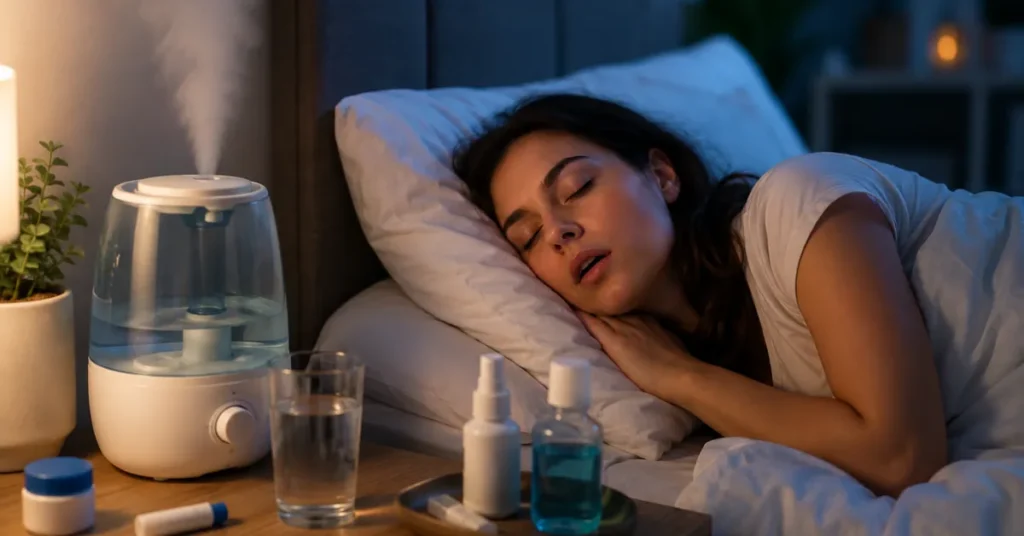
Dry mouth at night, or xerostomia at night, occurs when your salivary glands don’t produce enough saliva while you sleep. Saliva plays a critical role in oral health. It neutralizes acids, washes away food particles, fights bacteria, and keeps the soft tissues of your mouth lubricated and healthy.
During sleep, saliva production naturally slows down. That’s perfectly normal. The problem arises when production drops too low, creating sleeping with a dry mouth – a sticky, uncomfortable dryness that can wake you up, disrupt deep sleep cycles, and cause a parched, burning sensation in your mouth and throat.
There’s an important difference between occasional and chronic dry mouth. If you occasionally wake up dry after a night of drinking or a cold, that’s situational. But if nighttime dry mouth is your regular reality — something many Angelenos chalk up to the climate or their hectic routines — it may signal an underlying condition that deserves attention.
What Causes Dry Mouth at Night?
Understanding what causes dry mouth at night is the first step toward finding the right treatment. The triggers vary widely from simple habits to serious medical conditions.
Mouth Breathing During Sleep
One of the most common causes of dry mouth from mouth breathing during sleep is sleeping with the mouth open. When airflow constantly passes through the mouth overnight, saliva evaporates more quickly, leaving the mouth and throat dry by morning.
Several factors can contribute to mouth breathing, including:
- Deviated septum
- Sleeping position
- Chronic sinus problems
- Nasal congestion from allergies or colds
Snoring and obstructed breathing can also worsen dryness. People with sleep apnea often experience severe sleep apnea dry mouth because interrupted breathing patterns force them to breathe through their mouths during sleep. In many cases, treating snoring or improving nasal airflow can significantly reduce nighttime dryness.
Dehydration
Another major cause of nighttime dry mouth is dehydration. When the body lacks enough fluids, saliva production naturally decreases, making the mouth feel dry and uncomfortable during sleep.
Common contributors to dehydration and dry mouth include:
- Excess caffeine intake
- Consuming alcohol before bed
- Heavy sweating or hot sleeping environments
- Not drinking enough water throughout the day
Many people who are dehydrated find themselves waking up thirsty with dry mouth in the middle of the night or early morning. Staying hydrated during the day and limiting dehydrating drinks before bedtime can help maintain proper moisture levels overnight.
Medications That Cause Dry Mouth
Certain medications can interfere with saliva production and lead to persistent nighttime dryness. In fact, medication side effects are among the leading causes of xerostomia.
Common types of medication causing dry mouth include:
- Muscle relaxants
- Some pain relievers
- Blood pressure medications
- Antihistamines used for allergies
- Antidepressants and anxiety medications
These medications may trigger various xerostomia symptoms, such as dry throat, sticky saliva, difficulty swallowing, or bad breath. If symptoms become severe, speaking with a healthcare provider about alternative medications or dosage adjustments may help.
Medical Conditions
Several underlying health conditions are also associated with chronic nighttime dryness. In these cases, dry mouth may be a recurring symptom that requires medical treatment.
Some common health conditions linked to dry mouth include:
- Diabetes
- Acid reflux (GERD)
- Sjögren’s Syndrome
- Autoimmune disorders
- Salivary gland problems
People experiencing chronic dry mouth at night should pay attention to other symptoms such as fatigue, frequent thirst, burning mouth sensations, or difficulty eating and swallowing. Persistent dryness may indicate an underlying condition that needs professional evaluation and treatment.
Signs and Symptoms of Dry Mouth While Sleeping
Recognizing the symptoms of dry mouth early can help you act before the condition damages your teeth and gums. Common signs include:
Common signs and symptoms include:
- Sticky mouth in the morning – A thick or sticky feeling inside the mouth after waking up is one of the most noticeable symptoms of nighttime dryness.
- Dry throat at night – Many people wake up with irritation, soreness, or a scratchy dry throat at night, especially if they snore or breathe through their mouths while sleeping.
- Morning bad breath – Reduced saliva allows bacteria to build up overnight, often leading to persistent morning bad breath and an unpleasant taste in the mouth.
- Cracked lips – Dryness can cause lips to become chapped, cracked, or irritated after long hours of sleeping.
- Difficulty swallowing – Low saliva levels may make swallowing food or even speaking feel uncomfortable after waking up.
- Burning sensation in the mouth – Some individuals experience irritation or a burning feeling on the tongue, gums, or inside the cheeks due to ongoing dryness.
If these symptoms of dry mouth occur regularly, it may be a sign of dehydration, mouth breathing, medication side effects, or another underlying health condition. Identifying the cause early can help improve sleep comfort and protect long-term oral health.
Best Ways to Prevent Dry Mouth While Sleeping
The following strategies are both practical and medically recommended. Many are especially relevant for life in Los Angeles, where dry air, allergens, and a fast-paced lifestyle all conspire to make dry mouth worse.
Stay Hydrated Throughout the Day
Hydration for dry mouth starts long before bedtime. The standard recommendation is eight 8-ounce glasses of water daily, but in LA’s climate, particularly in the Valley where temperatures routinely exceed 95°F in summer you need more.
Consider adding electrolytes to your water in the afternoon. Electrolytes help your body retain fluid more efficiently, reducing the overnight dehydration that causes morning dry mouth. A small glass of water right before bed can also help keep your mouth moist while sleeping, but don’t overdo it — excessive nighttime fluid intake disrupts sleep with bathroom trips.
Breathe Through Your Nose Instead of Your Mouth
Mouth breathing is one of the leading causes of nighttime dryness. Learning how to stop mouth breathing at night can significantly improve saliva retention and reduce throat irritation during sleep.
Helpful strategies include:
- Using nasal strips to improve airflow
- Treating allergies or nasal congestion
- Sleeping with the head slightly elevated
- Practicing nasal breathing exercises
If you struggle with snoring or blocked nasal passages, improving airflow can make a noticeable difference in how to breathe through your nose while sleeping and reduce overnight dryness.
Use a Humidifier in Your Bedroom
A humidifier for dry mouth is a simple and highly effective solution in Los Angeles. Dry air and dry mouth are closely related — LA’s average indoor relative humidity during summer and during Santa Ana conditions can drop below 20%, far below the comfortable 40–60% range.
A cool-mist ultrasonic humidifier placed near your bed adds moisture to the air you breathe all night, reducing the rate of tissue dehydration. Clean it regularly. Stagnant water in humidifiers can breed mold and bacteria, which is the last thing you want to inhale.
Avoid Alcohol, Smoking, and Caffeine Before Bed
Certain habits can decrease saliva production and worsen nighttime dryness. Alcohol, smoking, and caffeine are among the most common causes of dry mouth while sleeping because they contribute to dehydration and irritation of the oral tissues.
To reduce symptoms:
- Avoid alcohol close to bedtime
- Limit caffeine intake in the evening
- Stop smoking or using tobacco products
- Choose water instead of sugary or caffeinated drinks at night
These small lifestyle adjustments are some of the most effective dry mouth prevention tips for improving overnight comfort and protecting oral health.
Try Dry Mouth Remedies Before Sleep
A consistent pre-sleep oral care routine can make a dramatic difference. The best dry mouth remedies to incorporate at bedtime include:
- Oral moisturizing gels: Thick, long-lasting gels that coat the mouth’s soft tissues. Applied after brushing, they provide a protective moisture barrier that lasts through the night.
- Dry mouth mouthwash: Unlike standard alcohol-based mouthwashes (which worsen dryness), formulas like Biotene or ACT Dry Mouth rinse are specifically designed to coat tissues and stimulate saliva. Rinse for 30–60 seconds before bed.
- Saliva substitutes: Available as sprays or rinses, these mimic the lubricating and antibacterial properties of natural saliva. A dry mouth spray overnight can be especially helpful for those who wake up mid-night.
- Sugar-free gum or lozenges: Chewing stimulates saliva production. Use a xylitol-based sugar-free gum or lozenge for 5–10 minutes before sleep, but avoid it immediately before lying down if you have reflux.
- Keep water bedside: A simple glass of water on your nightstand lets you quickly rehydrate if you wake up parched, without fully disrupting your sleep.
Adjust Your Sleeping Position
Your sleeping posture can also affect nighttime dryness and breathing patterns. Finding the right sleep position for dry mouth may help reduce snoring, mouth breathing, and airway obstruction during sleep.
Experts often recommend:
- Sleeping on your side instead of your back
- Elevating the head slightly
- Avoiding positions that worsen snoring
Because snoring and dry mouth are closely connected, improving sleep posture may reduce airflow disruption and help keep the mouth naturally hydrated overnight.
Natural Remedies for Dry Mouth at Night
Many people prefer natural methods to relieve nighttime dryness before turning to medications or specialized treatments. While severe or chronic symptoms may require medical attention, several simple lifestyle changes and home treatments can help improve saliva production and reduce discomfort naturally. These solutions are often effective for mild to moderate symptoms and can easily become part of a healthy bedtime routine.
Herbal and Home Remedies
Several natural ingredients are known for their soothing and moisture-supporting properties. These options are commonly used as home remedies for dry mouth while sleeping because they may help calm irritation and encourage better saliva flow.
- Ginger: Ginger stimulates salivary flow and has natural antibacterial properties. Sipping ginger tea (caffeine-free, brewed from fresh root) an hour before bed can support saliva production without the sleep-disrupting effect of caffeinated drinks.
- Aloe vera: Pure aloe vera juice (not the topical gel) can be used as a gentle mouth rinse. It soothes inflamed tissues and has mild antimicrobial properties. Swish with a tablespoon before brushing.
- Coconut oil pulling: An ancient Ayurvedic practice gaining scientific attention, oil pulling involves swishing a tablespoon of coconut oil in your mouth for 10–15 minutes before brushing. It helps reduce bacteria, moisturize tissues, and improve overall oral hygiene.
Foods That Boost Saliva Production
Certain foods can naturally stimulate saliva flow and help keep the mouth hydrated during sleep. Including moisture-supporting foods in your diet may improve oral comfort and reduce nighttime dryness.
- Crunchy Vegetables: Crunchy vegetables like carrots, celery, and cucumbers encourage chewing, which naturally increases saliva production. These water-rich foods also support overall hydration and oral health.
- Citrus Fruits (If Tolerated): Citrus fruits such as oranges, lemons, and grapefruits may stimulate saliva glands because of their acidity. However, people with acid reflux, mouth sores, or sensitive teeth should consume them carefully, as acidic foods may sometimes worsen irritation.
Combining healthy hydration habits with these home remedies for dry mouth while sleeping may help reduce discomfort naturally and improve sleep quality over time.
When to See a Doctor for Dry Mouth at Night
Occasional dryness is common, but persistent symptoms may require medical attention. See a doctor or dentist if you experience:
- Difficulty speaking, chewing, or swallowing
- Gum disease that wasn’t previously an issue
- Rapid tooth decay or sudden increase in cavities
- Persistent dry mouth every night despite lifestyle changes
- Dry eyes in addition to dry mouth (possible Sjögren’s Syndrome)
- Unexplained weight loss or excessive thirst combined with dry mouth (possible diabetes)
- Waking up gasping, choking, or with severe dry mouth — possible signs of dry mouth and sleep apnea
Your dentist should be your first call for symptoms like chronic dry mouth, snoring, or disrupted sleep. At our clinic offering sleep apnea treatment Los Angeles, we provide custom oral appliance therapy to help improve airflow, reduce snoring, and support better sleep.
Frequently Asked Questions
Waking up with dry mouth every morning is often caused by mouth breathing, dehydration, snoring, medications, or reduced saliva production during sleep. Sleeping with your mouth open can dry oral tissues quickly, especially in dry indoor environments.
Absolutely. Dehydration is one of the most straightforward causes of nighttime dry mouth. When your body’s fluid levels drop, saliva production is one of the first things to suffer. LA residents should be especially mindful during hot months and after physical activity. Aim to drink at least 16–20 oz of water in the two hours before bed (tapering off in the final 30 minutes).
In some cases, persistent dry mouth may be linked to diabetes because high blood sugar levels can affect hydration and saliva production. However, dry mouth can also result from many other conditions, medications, or lifestyle habits. If symptoms are ongoing, it is important to consult a healthcare professional.
Yes, mouth breathing is a major cause of nighttime dryness. Sleeping with the mouth open allows moisture to evaporate quickly, leading to a dry throat, sticky mouth, and bad breath by morning.
The best treatment depends on the underlying cause. Common solutions include improving hydration, treating nasal congestion, using a humidifier, practicing nasal breathing, and using oral moisturizers or saliva substitutes. People with persistent symptoms may benefit from professional chronic dry mouth treatment recommended by a doctor or dentist.
Conclusion
Dry mouth at night is common in Los Angeles due to dry air, allergies, and mouth breathing during sleep. Simple changes like staying hydrated, treating nasal congestion, using a humidifier, and avoiding alcohol or caffeine before bed can help reduce symptoms.
Natural remedies such as ginger tea, aloe vera rinses, and coconut oil pulling may also support overnight moisture. If symptoms continue, consult with professional sleep apnea dentist los angeles who can help identify and treat the underlying cause.
Learning how to prevent dry mouth while sleeping often starts with small daily habits that improve both sleep quality and oral health.