How to Fix a Gummy Smile: Best Treatments, Costs, and Expert Solutions
May 22, 2026
You smile in photos but immediately notice one thing, too much gum showing above your teeth. Over time, this excessive gum show can affect confidence and make you feel uncomfortable while smiling or laughing.
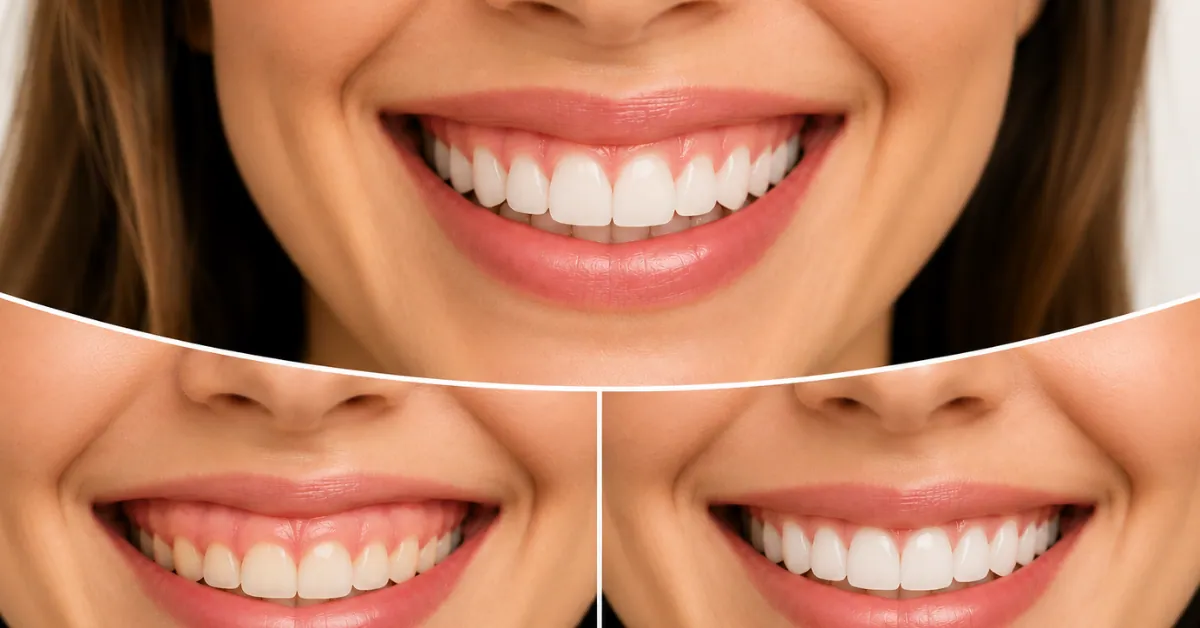
A gummy smile, also called excessive gingival display, is a common cosmetic concern caused by factors like a high lip line, uneven gum line, excess gum tissue, or jaw alignment issues. Fortunately, modern cosmetic dentistry offers several ways to fix a gummy smile and improve your gum-to-tooth ratio.
Popular gummy smile treatment options include Botox, laser gum contouring, Invisalign, braces, and surgical smile makeover procedures. Depending on the cause, both non-surgical and permanent solutions can help create a more balanced and confident smile.
What Is a Gummy Smile?
A gummy smile refers to a condition where an excessive amount of gum tissue is visible above the upper teeth when smiling. In cosmetic dentistry, showing more than 3–4 millimeters of gum tissue is generally considered excessive gingival display. While some gum visibility is completely normal, too much exposure can affect the balance and symmetry of the smile.
For many people, a gummy smile becomes a cosmetic smile concern because it may make the teeth appear smaller or create an uneven gum line. In some cases, the issue is linked to a high lip line, excess gum tissue, or jaw development. Others may simply have a naturally different gum-to-tooth ratio that causes more gums to show when smiling.
Although gummy smiles are very common, they are also highly treatable. Advances in cosmetic dentistry and orthodontic care now make it possible to correct excessive gum show through personalized treatment plans. From minimally invasive procedures like Botox and laser gum reshaping to orthodontics and surgical correction, there are solutions available for nearly every type of gummy smile.
What Causes a Gummy Smile?
A gummy smile can develop for several different reasons, and identifying the exact cause is important for choosing the right treatment. In most cases, excessive gum show is linked to the lips, gums, teeth, or jaw alignment.
Overactive Upper Lip
One of the most common causes of a gummy smile is an overactive upper lip. When smiling, the upper lip may rise higher than normal, exposing a larger portion of the gums above the teeth. This usually happens because of overactive lip muscles that pull the lip upward more aggressively during facial expressions.
Some people also naturally have a short upper lip, which provides less coverage for the gums even when the face is relaxed. In these cases, treatments like Botox or lip repositioning procedures are often used to reduce gum exposure and create a more balanced smile.
Excess Gum Tissue
Excess gum tissue, also known as gingival overgrowth, can make the teeth appear shorter than they actually are. The gums partially cover the tooth surface, increasing the amount of visible gum tissue while smiling. This condition may develop naturally or due to certain medications and oral health factors.
People with excess gum tissue often feel their teeth look too small or uneven. Cosmetic procedures such as laser gum contouring, crown lengthening, or gingivectomy can reshape the gum line and improve the overall gum-to-tooth ratio.
Small or Short Teeth
In some cases, the teeth themselves are naturally small or appear short because they did not fully erupt through the gums. These dental eruption problems can cause more gum tissue to remain visible, creating the appearance of a gummy smile.
Worn-down teeth from grinding or enamel erosion can also contribute to this issue by making the teeth look shorter over time. Treatments may include veneers, crowns, gum reshaping, or restorative cosmetic dentistry to improve tooth visibility and smile proportions.
Jaw Growth Issues
Jaw structure plays a major role in certain severe gummy smile cases. A condition called vertical maxillary excess occurs when the upper jaw grows too far downward, causing excessive gingival display whenever a person smiles.
This type of gummy smile is usually more noticeable and may also affect facial balance and bite function. In moderate to severe cases, orthognathic surgery or jaw correction surgery may be recommended to reposition the upper jaw and reduce excessive gum show permanently.
Bite and Alignment Problems
Orthodontic issues such as improper bite positioning and poor jaw alignment can also lead to a gummy smile. When the teeth or jaws are not correctly aligned, the upper teeth and gums may become more prominent during smiling.
Conditions like overbites or protruding teeth can worsen gum visibility and affect smile symmetry. Braces or Invisalign are commonly used to correct these alignment problems, helping reposition the teeth and improve overall smile aesthetics.
How to Fix a Gummy Smile Without Surgery
Not every gummy smile requires invasive surgery. Many people can reduce excessive gum show with non-surgical gummy smile treatment options that improve the balance between the lips, teeth, and gums. Depending on the cause, treatments like Botox, orthodontic treatment, and laser gum contouring can deliver noticeable results with minimal downtime.
Botox for Gummy Smile
Gummy smile Botox is one of the most popular non-surgical solutions for people with an overactive upper lip. The treatment works by relaxing the muscles responsible for lifting the lip too high while smiling. These lip relaxation injections help reduce gum exposure and create a more balanced smile.
The procedure is quick and usually takes less than 15 minutes. Since Botox is considered a minimally invasive cosmetic dentistry treatment, there is little to no recovery time, and most people return to normal activities immediately after the appointment.
Results typically appear within a few days and last around 3 to 6 months before maintenance treatments are needed. The average cost of Botox for gummy smile correction varies depending on the provider and number of injections required, but prices generally range from $200 to $600 per session.
Invisalign or Braces
In cases where a gummy smile is caused by bite problems or tooth positioning, orthodontic treatment may be recommended. Invisalign gummy smile correction and braces for gummy smile issues work by gradually repositioning the teeth and improving overall bite correction.
Orthodontics can help reduce gum visibility by moving the teeth into a more balanced position and correcting alignment problems such as overbites or protruding teeth. Invisalign is often preferred by adults because the clear aligners are discreet and removable, while traditional braces may be more suitable for complex cases.
Treatment time depends on the severity of the alignment issue, but many patients notice gradual improvements in both smile appearance and oral function during the process.
Gum Contouring and Laser Gum Reshaping
When excessive gum tissue is the main cause of a gummy smile, gum reshaping procedures can help expose more of the natural tooth surface. Laser gum contouring is a popular periodontal cosmetic dentistry procedure that removes and reshapes excess gum tissue to create a more even gum line.
Compared to traditional methods, laser dentistry offers several benefits, including reduced bleeding, improved precision, faster healing, and minimal discomfort. Procedures such as gingivectomy and crown lengthening are commonly used to improve the gum-to-tooth ratio and enhance smile aesthetics.
Healing time for laser gum reshaping is usually short, with most patients recovering within a few days to two weeks depending on the extent of the treatment.
Surgical Treatments for Severe Gummy Smiles
For severe cases of excessive gingival display, non-surgical treatments may not provide enough correction. When the problem is caused by lip structure or jaw development, surgical procedures can offer more permanent and dramatic improvements. These treatments are usually recommended after a detailed evaluation by a cosmetic dentist or oral surgeon.
Lip Repositioning Surgery
A lip repositioning procedure is designed to reduce the amount of gum tissue visible when smiling. During this cosmetic lip surgery, a small section of tissue is removed from inside the upper lip, which limits how high the lip can rise while smiling.
The procedure is typically performed under local anesthesia and is considered less invasive than jaw surgery. Recovery is relatively quick, with most patients returning to normal activities within a few days. Mild swelling and discomfort are common during the first week, but these symptoms usually improve quickly.
Lip repositioning is often considered a permanent gummy smile correction for patients whose excessive gum show is caused by a hyperactive or short upper lip. Results can significantly improve smile balance and reduce gum exposure without altering the teeth themselves.
Jaw Surgery for Gummy Smile
In severe skeletal cases, the gummy smile may be caused by excessive growth of the upper jaw, a condition known as vertical maxillary excess. When this occurs, orthodontic treatments or gum reshaping alone may not fully correct the problem.
Orthognathic surgery, also called jaw correction surgery, is performed to reposition the upper jaw and reduce excessive gingival display. The procedure involves carefully moving the jaw into a more balanced position to improve both smile aesthetics and facial harmony.
Because this is a major surgical treatment, recovery takes longer compared to other gummy smile procedures. Patients may require several weeks of healing along with orthodontic treatment before and after surgery. However, for severe jaw-related gummy smiles, orthognathic surgery can provide long-lasting and highly effective results.
Best Treatment for a Gummy Smile Based on the Cause
The best way to fix a gummy smile depends on what is causing the excessive gum show. Since every smile is different, a cosmetic dental consultation is important to identify the underlying issue and recommend the most effective solution. Some people benefit from non-surgical procedures, while others may require orthodontic or surgical treatment for long-term results.
Choosing the right personalized gummy smile treatment in Los Angeles can improve both smile aesthetics and overall confidence. Below are some of the most common causes and their recommended smile correction options.
| Cause | Recommended Treatment |
|---|---|
| Overactive lip | Botox |
| Excess gums | Gum contouring |
| Jaw issue | Orthognathic surgery |
| Misaligned teeth | Braces/Invisalign |
A dentist, orthodontist, or oral surgeon can help determine which treatment plan is most suitable based on the severity of the gummy smile and the patient’s cosmetic goals.
How Much Does Gummy Smile Treatment Cost?
The gummy smile treatment cost can vary depending on the severity of the condition, the type of procedure, and the experience of the dental specialist. Non-surgical treatments are usually more affordable, while surgical procedures tend to have higher cosmetic dentistry pricing due to their complexity.
Here are the average cost ranges for common treatments:
| Treatment | Average Cost Range |
|---|---|
| Botox for gummy smile | $200 – $600 per session |
| Gum contouring | $500 – $3,000 |
| Braces or Invisalign | $3,000 – $8,000 |
| Orthognathic jaw surgery | $20,000 – $40,000 |
Many patients start with minimally invasive options like Botox or laser gum reshaping before considering surgical correction. The best treatment depends on the underlying cause and the results you want to achieve. During a cosmetic dental consultation, your provider can create an affordable smile makeover plan based on your goals and budget.
Is Gummy Smile Treatment Painful?
Most gummy smile treatments involve little to moderate discomfort, especially with modern dental technology and minimally invasive procedures. Pain levels and gummy smile recovery time vary depending on the type of treatment performed.
Botox injections are usually the least painful option and involve only minor discomfort for a few minutes. There is little to no treatment downtime, and most people return to normal activities immediately after the procedure.
Laser gum contouring and gum reshaping treatments are generally performed under local anesthesia, so patients feel minimal pain during the procedure. Mild swelling or sensitivity may occur afterward, but recovery is usually quick and manageable with proper aftercare.
Orthodontic treatment with braces or Invisalign may cause temporary soreness as the teeth gradually shift into position. This discomfort normally improves within a few days after adjustments.
For surgical procedures such as lip repositioning or orthognathic surgery, recovery takes longer and may involve swelling, soreness, and temporary dietary restrictions. However, pain is typically controlled with prescribed medications and proper post-treatment care.
Following aftercare instructions, maintaining oral hygiene, and attending follow-up visits can help speed up healing and improve overall treatment results.
Before and After Results of Gummy Smile Correction
Gummy smiles before and after results can be dramatic, especially when the treatment targets the underlying cause of excessive gum show. Most patients notice a more balanced smile, improved gum-to-tooth ratio, and better facial harmony after treatment.
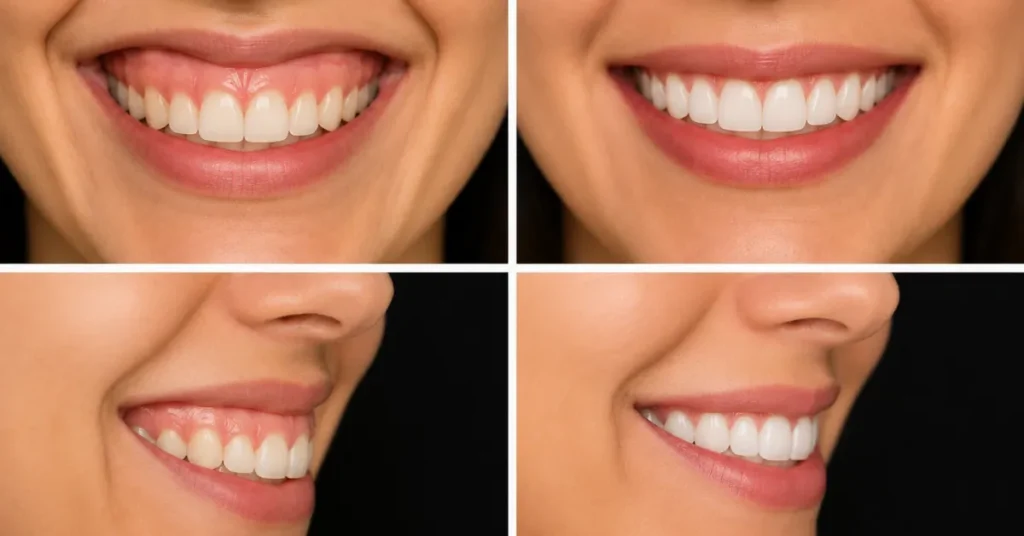
The timeline for results depends on the procedure. Botox treatments usually show visible improvements within a few days, while Invisalign, braces, or surgical procedures may take several months for full cosmetic dentistry results. Gum contouring and laser reshaping often provide immediate aesthetic changes with continued improvement during healing.
Beyond physical changes, many people experience a major confidence boost after their smile transformation. Feeling comfortable while smiling, laughing, or taking photos can significantly improve self-esteem and overall social confidence.
Can You Fix a Gummy Smile Naturally?
Some people look for natural gummy smile remedies before considering cosmetic dental procedures. While natural methods may slightly improve smile appearance in mild cases, they usually cannot fully correct moderate or severe excessive gingival display.
Facial muscle exercises and smile training techniques are sometimes recommended to help control how high the upper lip lifts while smiling. These methods aim to reduce gum naturally by improving lip movement and facial awareness. However, there is limited scientific evidence proving their long-term effectiveness.
If the gummy smile is caused by excess gum tissue, jaw alignment problems, or dental eruption issues, professional treatment is often necessary for noticeable and permanent results. A dental consultation can help determine whether natural approaches are realistic or if cosmetic treatment would be more effective.
How to Choose the Best Dentist for Gummy Smile Treatment
Choosing the best cosmetic dentist in Los Angeles is an important step in achieving safe and effective gummy smile correction. Since gummy smiles can have different causes, the right specialist may vary depending on your condition.
A cosmetic dentist typically handles smile aesthetics, gum contouring, and Botox treatments. A periodontist specializes in gum reshaping and periodontal cosmetic procedures, while an orthodontist focuses on braces, Invisalign, and bite correction. For severe skeletal cases, an oral surgeon may be needed for jaw correction surgery.
During your cosmetic dental consultation, ask questions such as:
- What is causing my gummy smile?
- What is the expected recovery time?
- Are the results temporary or permanent?
- Which treatment options are best for my case?
- Can I see gummy smile before and after photos?
A trusted gummy smile specialist or smile makeover clinic should provide a personalized treatment plan based on your goals, budget, and oral health needs.
Frequently Asked Questions
Can Invisalign Fix a Gummy Smile?
Yes, Invisalign can help fix a gummy smile in cases caused by bite problems or tooth alignment issues. Invisalign gummy smile correction works by repositioning the teeth and improving bite balance, which can reduce excessive gum show over time.
How Long Does Botox for Gummy Smiles Last?
Botox for gummy smiles typically lasts between 3 to 6 months. Since the treatment temporarily relaxes the upper lip muscles, maintenance sessions are needed to maintain the results.
Is Gummy Smile Surgery Permanent?
Most surgical procedures for gummy smile correction are considered long-term or permanent solutions. Treatments such as lip repositioning surgery and orthognathic surgery permanently address the structural causes of excessive gingival display.
Are Gummy Smiles Attractive?
Beauty preferences vary from person to person, and many people naturally have gummy smiles. However, some individuals choose cosmetic dentistry solutions to achieve a more balanced smile and improve self-confidence.
What Is the Fastest Way to Reduce Gum Show?
Botox is often the fastest non-surgical gummy smile treatment because results can appear within a few days. For excess gum tissue, laser gum contouring can also provide quick cosmetic improvements.
Conclusion
Most gummy smiles can be fixed successfully with modern cosmetic and orthodontic treatments. Whether the issue is caused by excess gum tissue, an overactive upper lip, jaw alignment problems, or tooth positioning, there are several effective gummy smile Los Angeles correction options available.
The best gummy smile treatment depends on the underlying cause and the severity of the condition. Some people achieve excellent results with non-surgical treatments like Botox or gum contouring, while others may require orthodontic care or permanent surgical correction.
Thanks to advances in cosmetic dentistry solutions, it is now easier than ever to improve your smile naturally and professionally. With the right treatment plan and expert guidance, you can achieve a healthier gum-to-tooth ratio, enhanced smile aesthetics, and greater confidence in your everyday life.