How to Know If You Have a Cavity Before It Gets Worse
May 13, 2026
Most people don’t find out they have a cavity until they are sitting in the dental chair. By that point, what could have been a simple filling has sometimes turned into a more involved procedure. The truth is, your teeth often send warning signs well before things get serious. You just need to know what to look for.
Whether you have been feeling some tooth sensitivity lately or you are just being proactive about your oral health, here’s a straightforward guide to recognizing the early and not-so-early signs of tooth decay.
What Is a Cavity, Really?
A cavity also called dental caries or tooth decay. It is permanent damage to the hard surface of your tooth. It develops when bacteria in your mouth feed on sugars and starches, producing acids that gradually eat through your enamel. Left unchecked, that small pit in your enamel deepens, working its way through the dentin layer and eventually toward the pulp of your tooth.
The tricky part? Early-stage cavities rarely cause pain. This is why routine dental checkups matter so much, and it’s also why knowing the subtler signs can save you time, money, and discomfort down the road.
Early Warning Signs of a Cavity
1. Tooth Sensitivity That Wasn’t There Before
One of the first signs people notice is a new sensitivity a sharp, brief twinge when you eat something sweet, sip a cold drink, or bite into something hot. This happens because as decay eats through enamel, the underlying dentin (which contains tiny fluid-filled tubules connected to your nerve) becomes exposed.
If you reach for cold water and feel an unexpected zing in a specific tooth, that’s worth paying attention to. It doesn’t always mean a cavity, but it’s a signal your tooth is trying to give you.
2. Toothache or Spontaneous Pain
Pain that lingers especially a dull ache or throbbing that comes and goes without an obvious trigger — is a sign decay may have progressed deeper. When discomfort shows up on its own, without biting or eating, the nerve may be involved. That’s when a cavity has moved from manageable to urgent.
3. Visible Holes, Pits, or Dark Spots
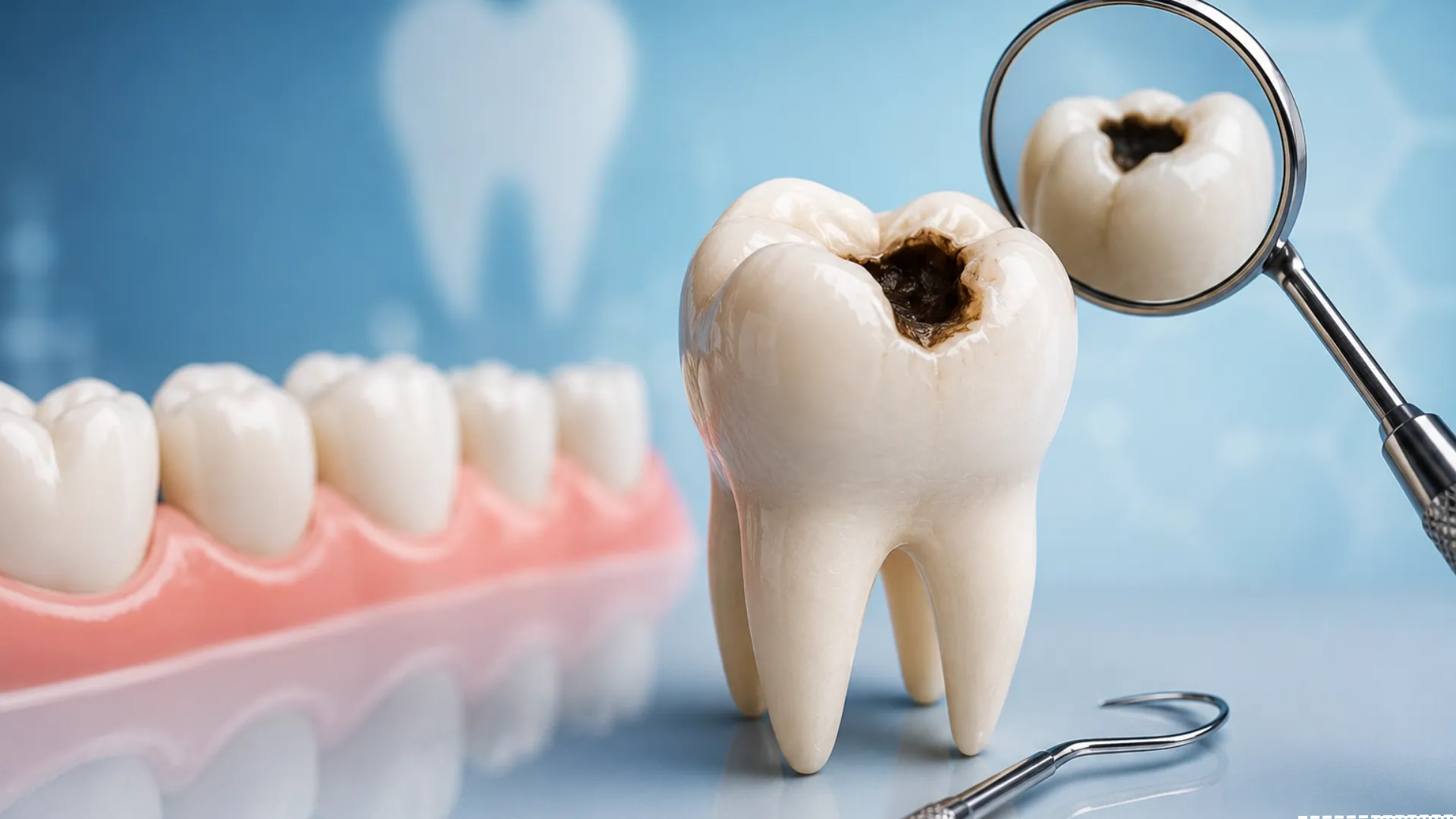
Sometimes you can actually see the problem. Run your tongue over your teeth. Feel any rough edges, small holes, or pits that weren’t there before? Look in the mirror with good lighting dark spots (brown, black, or gray discoloration) on the surface of a tooth can be a sign of active decay or early cavitation. Not all dark spots are cavities, and not all cavities are visible, but if you notice something that looks like it’s eroding, get it checked.
4. Sensitivity to Sweets
People often chalk this up to just having “sensitive teeth,” but a specific sensitivity to sugary foods — distinct from temperature sensitivity is a classic cavity symptom. Bacteria thrive on sugar, and damaged enamel reacts more strongly when exposed to it.
5. Tooth Discoloration
Enamel that is breaking down can look white and chalky at first (early demineralization), then shift to yellow, brown, or black as decay advances. White spots are actually a hopeful sign that stage of early tooth decay can sometimes be reversed with fluoride and improved oral hygiene before it becomes a true cavity.
6. Bad Breath or Unpleasant Taste
Persistent bad breath (halitosis) that doesn’t resolve with brushing can sometimes be tied to bacteria thriving in an area of decay. A bad taste in your mouth near a specific tooth is another sign worth investigating.
Signs You May Already Have a More Advanced Cavity
If you are experiencing any of the following, the decay has likely progressed significantly:
Pain when biting down. When chewing or biting pressure causes sharp pain, the cavity may have reached deeper into the tooth structure, sometimes affecting the dentin or nearing the pulp.
Prolonged sensitivity. Quick twinges are one thing sensitivity that lingers for 30 seconds or more after the trigger is removed suggests the nerve may be irritated or infected.
Swelling around the tooth or jaw. This can indicate an abscess a pocket of infection that forms when bacteria reach the tooth’s root. Dental abscesses are serious and should be treated immediately.
A tooth that feels loose. Severe, longstanding decay can weaken the structural integrity of a tooth to the point where it begins to feel unstable.
What a Cavity Feels Like at Each Stage
Understanding the progression helps put your symptoms in context:
Stage 1 — Enamel decay: Usually no pain. You might notice a white spot on the tooth’s surface. This is the only stage where remineralization (reversing the damage without drilling) is possible.
Stage 2 — Dentin decay: Sensitivity begins. You might notice it when eating sweet or acidic foods, drinking hot or cold beverages, or brushing. A filling at this stage is a relatively quick fix.
Stage 3 — Pulp involvement: The decay has reached the soft inner tissue containing nerves and blood vessels. Toothaches become more common and persistent. A root canal may be needed.
Stage 4 — Abscess formation: Infection spreads to the root and surrounding bone. Significant pain, swelling, and sometimes fever. Immediate dental care is essential.
Can You Have a Cavity Without Any Pain?
Absolutely — and this catches a lot of people off guard. The outer layer of your tooth, enamel, has no nerve supply. So early cavities silently chew through it without producing any discomfort. By the time you feel something, decay has usually reached the dentin or beyond.
This is one of the most important reasons to schedule dental checkups and cleanings at least twice a year, even when nothing hurts. X-rays can detect cavities between teeth and beneath the surface that are completely invisible and symptom-free.
What to Do If You Think You Have a Cavity?
Don’t wait to see if it gets better on its own cavities don’t heal without treatment. The longer you wait, the more tooth structure is lost and the more complex (and costly) the treatment becomes.
Here’s what makes sense:
Schedule a dental exam sooner rather than later. If you’re experiencing any of the symptoms above, this isn’t something to monitor from a distance. A dentist can take X-rays, do a visual exam, and tell you exactly what’s happening.
In the meantime, avoid triggers. If a specific tooth reacts to cold or sweet, try to chew on the opposite side and skip extreme temperature foods and drinks where possible.
Don’t over-rely on pain as your guide. Pain is a late symptom of tooth decay, not an early one. Absence of pain does not mean your teeth are healthy.
Maintain your hygiene routine. While you’re waiting for your appointment, keep brushing twice a day with fluoride toothpaste, floss daily, and avoid sugary snacks between meals.
How Cavities Are Diagnosed and Treated
When you come in for an exam, a dentist will:
- Visually examine each tooth for signs of decay, discoloration, and damage
- Probe the enamel with a dental instrument — soft or sticky spots can indicate decay
- Take X-rays to see between teeth and below the gumline where problems hide
- Sometimes use cavity-detection technology like laser fluorescence or digital imaging for hard-to-see areas
Treatment depends on how far the decay has progressed. Small cavities are treated with a simple composite filling in one appointment. Larger cavities may require a dental crown. Decay that has reached the pulp may need a root canal before the tooth can be restored. Severely damaged teeth may need extraction though your dentist’s goal is always to save the natural tooth when possible.
Who Is More Prone to Cavities?
Certain factors put some people at higher risk than others:
- History of prior cavities
- Deep grooves in back teeth that are harder to clean
- Children and teenagers, whose enamel is still maturing
- Frequent snacking, especially on sugary or starchy foods
- Acid reflux, which brings stomach acid into contact with teeth
- Dry mouth (saliva helps neutralize acids and wash away bacteria)
- Braces or other dental appliances that make thorough cleaning harder
- Receding gums that expose root surfaces, which lack enamel protection
If you fall into one or more of these categories, more frequent dental visits and preventive treatments like sealants or fluoride applications might be worth discussing.
Preventing Cavities Before They Start
The best cavity is the one that never forms. Good preventive habits include:
Brushing for two full minutes, twice a day, with fluoride toothpaste. Most people rush through this. Two minutes is the baseline — not a suggestion.
Flossing every day. Cavities between teeth are extremely common and completely undetectable without flossing. No amount of brushing reaches those surfaces.
Drinking water, especially fluoridated tap water. Water washes away food debris, dilutes acids, and — with fluoride — actively strengthens enamel.
Cutting back on sugary drinks. Soda, sports drinks, fruit juice, and sweetened coffee are among the most cavity-promoting things people consume regularly. Frequency matters as much as quantity — sipping a soda over two hours is harder on your teeth than drinking one quickly.
Visiting your dentist regularly for professional cleanings and exams. Even people with excellent home hygiene build up tartar (calcified plaque) that only a dental professional can remove.
Conlusion
If you have been noticing sensitivity, discomfort, or anything that just doesn’t feel right in your mouth, the best thing you can do is get it looked at. Catching a cavity in its early stages means simpler treatment, less time in the chair, and more of your natural tooth preserved.
Our Los Angeles dental office sees patients at all stages whether you are coming in for a routine checkup, dealing with sensitivity you have been ignoring for months, or in acute pain that needs same-day attention. We use digital X-rays and modern diagnostic tools to give you a complete picture of your oral health, not just a surface-level assessment.