Does Invisalign Hurt? What to Expect During Invisalign Treatment
June 9, 2026
If you’re considering Invisalign, one of the first questions that comes to mind is: does Invisalign hurt? It’s a completely valid concern — and the honest answer is that Invisalign can cause mild discomfort, but it is generally much less painful than traditional braces.
Most patients describe the sensation not as pain but as pressure — a feeling that tells you your teeth are actively moving toward their new positions. This discomfort is temporary, manageable, and for most people, a minor part of the overall treatment experience.
In this guide, we’ll walk you through exactly what Invisalign pain feels like, when it’s most likely to occur, how long it lasts, and what you can do to minimize it — so you can go into treatment knowing exactly what to expect.
Does Invisalign Hurt? The Short Answer
Any orthodontic treatment — whether braces or clear aligners — works by applying controlled force to your teeth to move them into new positions. That force inevitably creates some degree of soreness. Invisalign discomfort is a natural and expected part of the tooth movement process, not a sign that something is wrong.
Think of it like starting a new workout routine. Your muscles are sore because they’re being challenged and adapting. Your teeth and the surrounding bone tissue respond similarly when pressure is applied consistently over time.
Pain vs Pressure: There’s an important distinction between soreness and actual pain. What most Invisalign patients experience is pressure and mild soreness — not sharp, intense pain. The teeth feel tender, particularly when biting down, and the aligners feel snug and tight. This is completely normal and expected.
True pain — sharp, throbbing, or persistent — is not typical and may indicate an issue with aligner fit or an underlying dental problem that warrants a call to your orthodontist.
Why Does Invisalign Hurt?
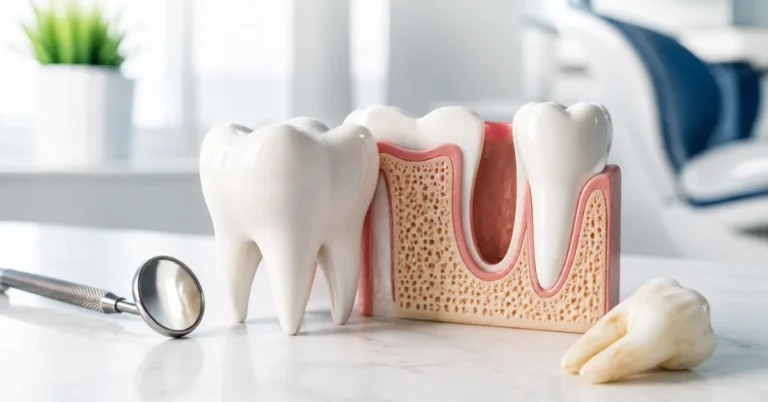
How Invisalign Moves Teeth: Invisalign moves teeth through a process called bone remodeling. When an aligner applies pressure to a tooth, it stimulates the bone on one side to break down (resorption) while new bone forms on the other side to support the tooth in its new position. This biological process is what causes the soreness you feel — your body is actively rebuilding tissue around each moving tooth.
Why New Aligners Feel Tight: Each new set of aligner trays is designed to position your teeth slightly further along the treatment path than where they currently sit. This means every new tray will feel tighter than the previous one — especially for the first day or two after switching. The tightness is simply the aligner doing its job, applying the precise forces outlined in your customized treatment plan.
Invisalign Attachments and Discomfort: For patients whose treatment plan includes attachments — small tooth-colored composite buttons bonded to certain teeth — there may be an additional adjustment period. Attachments allow the aligners to apply more directional force to specific teeth, which can increase pressure sensations in those areas. Most patients adapt within a few days.
When Does Invisalign Hurt the Most?
The First Week of Treatment
The first week of wearing Invisalign is typically when discomfort is at its highest. Your mouth is adjusting to a foreign object, your teeth are experiencing orthodontic pressure for the first time, and your cheeks and tongue may be sensitive to the edges of the aligners. Most patients find that this initial phase passes within 3 to 5 days.
When Switching to New Trays
Every 1 to 2 weeks, you’ll progress to a new set of aligner trays. Each tray change brings a fresh round of mild soreness as your teeth adjust to the new position requirements. Invisalign pain after new trays typically peaks in the first 24 to 48 hours and then subsides significantly.
During Complex Tooth Movements
Some stages of treatment involve more demanding tooth movements — rotations, significant shifts, or bite corrections. These stages may feel more uncomfortable than others because the forces being applied are greater or more targeted.
Removing Aligners for the First Time
Taking out your aligners for the first time can feel awkward and mildly uncomfortable, especially when attachments are present. The aligners grip your teeth firmly by design — that’s what makes them effective. Most patients quickly develop a technique for removal that minimizes discomfort.
How Long Does Invisalign Pain Last?
First-Time Invisalign Wearers
For brand new Invisalign wearers, the initial soreness typically lasts 3 to 5 days. By the end of the first week, most patients have adapted and feel comfortable wearing their aligners for the full recommended 20 to 22 hours daily.
Pain After Tray Changes
With each subsequent tray change, the adjustment period gets shorter. After the first few changes, most patients experience soreness for only 1 to 2 days before feeling comfortable again.
Does Invisalign Get Easier Over Time?
Yes — absolutely. The Invisalign treatment experience becomes progressively more comfortable as your teeth move closer to their final positions and as your mouth adapts to the routine of tray changes. By the middle and later stages of treatment, many patients report barely noticing discomfort at all when switching trays.
When Discomfort May Require a Dental Visit
Most Invisalign discomfort is entirely normal and self-resolving. However, you should contact your Invisalign dentist in Los Angeles if you experience:
- Sharp or severe pain that doesn’t improve after 3 to 4 days
- A cracked or broken aligner
- Attachments that have come loose
- Persistent jaw pain or headaches
- Sores or cuts in your mouth that aren’t healing
What Does Invisalign Pain Feel Like?
Mild Pressure on Teeth: The most common sensation is a dull, diffuse pressure on the teeth — particularly on those being actively moved at that stage of treatment. It’s most noticeable when you first put in a new tray or bite down.
Tooth Sensitivity: Some patients experience heightened tooth sensitivity during treatment, especially to temperature. Cold water or food may feel more intense than usual. This is temporary and typically resolves between tray changes.
Tightness Around the Bite: When you close your mouth with new aligners in, the bite may feel different — slightly elevated or uneven. This is normal as your teeth adjust. Bite pressure usually evens out within a few days.
Gum Irritation and Soft Tissue Sensitivity: The edges of aligner trays can occasionally cause minor irritation to the gums or inner cheeks, particularly early in treatment. Orthodontic wax can be applied to smooth any sharp edges, and most irritation resolves as the soft tissue toughens slightly.
Does Invisalign Hurt More Than Braces?
When comparing Invisalign vs braces pain, the majority of patients and clinical studies consistently find that Invisalign is more comfortable than traditional braces. Braces involve metal brackets and wires that press against the inside of the cheeks and lips, causing sores and cuts that are entirely absent from the Invisalign experience.
Why Many Patients Find Invisalign More Comfortable
- No sharp metal components touching soft tissue
- No emergency wire poking situations
- No tightening appointments with sudden increases in force
- Smooth plastic aligners that conform to tooth shape
Situations Where Braces May Cause More Discomfort
Wire adjustment appointments with traditional braces can cause significant soreness for several days — similar to a tray change but often more intense. Over the course of a full treatment, patients with braces experience this cycle repeatedly.
| Feature | Invisalign | Braces |
|---|---|---|
| Pressure | Mild to Moderate | Moderate |
| Mouth Irritation | Minimal | Common |
| Wire Adjustments | None | Frequent |
| Comfort Level | Higher | Lower |
Can Invisalign Cause Headaches or Jaw Pain?
Headaches During Treatment: Some patients experience mild headaches during the early stages of treatment or after tray changes. This is typically related to the change in bite alignment as teeth shift. Headaches are usually short-lived and resolve within a day or two.
Jaw Pressure and Bite Changes: As your bite changes during overbite or underbite correction, you may notice different sensations in your jaw joints. Some mild jaw pressure is normal during active tooth movement stages, particularly when elastics are part of the treatment plan.
When Symptoms Are Considered Normal: Mild, temporary headaches and jaw pressure during the first few days of a new tray are within the normal range of Invisalign treatment experience. These symptoms are your body responding to changes in bite mechanics.
When to Contact Your Orthodontist: Persistent or worsening jaw pain, clicking or popping in the jaw joint, or headaches that last more than a week should be reported to your orthodontist. These could indicate a TMJ-related issue that needs to be evaluated separately from your Invisalign treatment.
How to Reduce Invisalign Pain and Discomfort
The good news is that there are several simple, effective strategies for managing Invisalign discomfort:
Wear Aligners Consistently
The more consistently you wear your aligners, the faster your teeth adapt. Removing them frequently actually prolongs the adjustment period and can make soreness worse when you put them back in.
Change Trays Before Bed
Switching to a new tray right before sleep is one of the most effective pain relief tips for Invisalign patients. You’ll sleep through the most intense adjustment period, and by morning, the worst of the discomfort will have passed.
Eat Soft Foods During Adjustment Periods
For the first day or two after a tray change, stick to soft foods — yogurt, mashed potatoes, smoothies, pasta. Biting into hard or crunchy foods places additional pressure on already-sensitive teeth.
Drink Cold Water
Cold water provides natural, immediate relief for sore teeth and gum sensitivity. It’s a simple and effective way to manage discomfort without medication.
Use Over-the-Counter Pain Relief
If discomfort is more than mild, over-the-counter pain relievers like ibuprofen or acetaminophen can help. Ibuprofen also has anti-inflammatory properties that directly address the cause of orthodontic soreness. Always follow dosage instructions and consult your doctor if you have any concerns.
Follow Your Orthodontist’s Instructions
Your treatment plan is designed to minimize unnecessary discomfort. Following your tray change schedule, wearing aligners the recommended hours, and attending regular checkups all contribute to a smoother, more comfortable treatment experience.
Signs Invisalign Is Working
Feeling Gentle Pressure: Mild pressure from your aligners is actually a positive sign — it means the trays are actively engaging your teeth and driving movement as planned.
Aligners Fit Snugly: When a new tray fits tightly, it confirms that the previous tray completed its intended movement successfully. A loose-fitting tray may indicate insufficient wear time.
Visible Tooth Movement: As treatment progresses, you’ll begin to see gaps closing, crowding resolving, and teeth shifting into alignment. These visible Invisalign results are the most rewarding confirmation that treatment is working.
Improved Bite Alignment: Many patients notice their bite feeling different — more even, more comfortable — as treatment advances. This functional improvement is one of the most meaningful signs of treatment progress.
Common Invisalign Side Effects Besides Discomfort
Increased Saliva Production: Your mouth naturally produces more saliva when it detects a new object. This usually normalizes within the first week of wearing aligners.
Temporary Speech Changes: Some patients notice a slight lisp or change in speech clarity during the first few days of treatment. This resolves quickly as your tongue adapts to the aligners.
Dry Mouth: Some patients experience dry mouth, particularly if they breathe through their mouth while sleeping. Staying well hydrated and using a dentist-approved dry mouth rinse can help.
Mild Gum Sensitivity: The gumline may be mildly sensitive during active tooth movement stages. Gentle brushing with a soft-bristle toothbrush and non-abrasive toothpaste helps manage this effectively.
Is Invisalign Worth the Temporary Discomfort?
Aesthetic Benefits: The end result — a straight, even, beautifully aligned smile — is one that patients consistently describe as life-changing. The temporary discomfort of treatment fades; the smile transformation lasts a lifetime.
Improved Oral Health: Straighter teeth are significantly easier to clean. Properly aligned teeth reduce the risk of cavities, gum disease, and abnormal tooth wear delivering long-term oral health benefits that extend well beyond aesthetics.
Better Bite Function: Correcting alignment and bite issues with Invisalign improves chewing efficiency, reduces jaw strain, and lowers the risk of TMJ-related problems down the road.
Long-Term Smile Confidence: Patients across Los Angeles — from professionals in Santa Monica to students in Pasadena — consistently report that the confidence boost from completing Invisalign treatment is well worth every day of mild discomfort along the way.
Invisalign Treatment in Los Angeles
From your first digital smile scan to your final retainer fitting, Invisalign treatment in Los Angeles is a streamlined, well-supported process. Your orthodontist will walk you through each stage, set clear expectations for discomfort at every phase, and provide guidance on managing any soreness that arises.
Patients throughout Los Angeles, Santa Monica, Pasadena, and Long Beach have access to highly experienced Invisalign providers with advanced treatment technology and a proven track record of comfortable, successful outcomes.
The experience of your provider directly impacts your treatment comfort. An experienced orthodontist designs treatment plans that achieve results efficiently — minimizing unnecessary force and reducing overall discomfort. Look for a Platinum or Diamond Invisalign Provider in LA in your area for the highest level of clinical expertise.
Frequently Asked Questions
Does Invisalign hurt when you first get it?
Yes, mildly. The first few days of wearing Invisalign typically involve the most noticeable soreness as your teeth begin responding to orthodontic pressure. Most patients find this manageable and short-lived
Why do new Invisalign trays hurt?
New trays are designed to move your teeth slightly further than their current position, creating pressure and temporary soreness. This is normal and usually resolves within 1 to 2 days.
Does Invisalign hurt more than braces?
No — most patients find Invisalign significantly more comfortable than braces. Clear aligners have no metal components to irritate soft tissue and do not require tightening appointments
Can Invisalign cause headaches?
Mild, temporary headaches can occur during early treatment or after tray changes due to bite changes. Persistent headaches should be discussed with your orthodontist.
How long does Invisalign pain last?
Initial soreness typically lasts 3 to 5 days. After tray changes, discomfort usually subsides within 1 to 2 days. It generally becomes less noticeable as treatment progresses.
Is Invisalign pain a sign that treatment is working?
Yes — mild pressure and soreness indicate that your aligners are actively engaging your teeth and driving the movement outlined in your treatment plan.
Conclusion
So, does Invisalign hurt? The honest answer is: mildly, temporarily, and far less than most people expect. Invisalign discomfort is a normal part of the tooth movement process — a sign that your clear aligners are doing exactly what they’re designed to do. For the vast majority of patients, the soreness is manageable, short-lived, and decreases significantly as treatment progresses.
The key is going into treatment informed and prepared. Wear your aligners consistently, switch trays before bed, and follow your orthodontist’s guidance — and you’ll find that Invisalign pain is a very minor part of an otherwise straightforward and rewarding treatment experience.
If you’re ready to find out whether Invisalign is right for you, schedule a consultation with an experienced Invisalign provider in Los Angeles today. A personalized treatment plan will give you a clear picture of your timeline, your expected results, and exactly what to expect every step of the way.